Best Organic Adaptogens

Adaptogens have moved from herbal shops into smoothies, coffee and capsules. This guide explains what the word means, which herbs and mushrooms are sold as adaptogens, who should be careful, and how seven organic...
Unbiased Reviews On The Best Organic Products
Herbal and food-based supplements with organic ingredients. The FDA doesn’t approve supplements before they’re sold, so we focus on label facts, third-party testing and interactions to ask about. Check with your doctor or pharmacist before starting any supplement.
Adaptogens have moved from herbal shops into smoothies, coffee and capsules. This guide explains what the word means, which herbs and mushrooms are sold as adaptogens, who should be careful, and how seven organic...

Probiotic labels for women are crowded with big CFU numbers, strain names and the word organic. This guide explains what those terms mean, what the research covers, and how six probiotic products that use...

Vitamin C gummies are an easy option for people who dislike pills, but they vary a lot in dose, sugar, age range and how much of the product is organic. Vitamin C is a...

Magnesium helps regulate muscle and nerve function, blood sugar and blood pressure, and it is needed to make protein, bone and DNA. Many people in the United States get less from food than the...

Chlorella is a single-celled green alga that grows in fresh water, and it is sold as a powder or tablets. This guide covers what we know about its safety, why the broken cell wall...

Bovine colostrum is the milk cows make during the first days after giving birth. It is rich in antibodies and growth factors, and it is sold as a powder and in capsules. This guide...

Mushroom powders are dried and ground mushrooms or mushroom extracts that you stir into coffee, tea, smoothies or soup. Shiitake is a food, while chaga, reishi and lion’s mane are sold as supplements. This...

Papain is an enzyme from the papaya plant that breaks down protein. It is sold in papaya fruit powders and in digestive enzyme blends. This guide covers what papain is used for, who should...

Turmeric is a spice from the ginger family, and curcumin is its main yellow compound. Turmeric and curcumin supplements are promoted for joints and many other uses, but the NIH says there is not...

Fiber is the part of plant foods your body cannot digest, and it helps digestion, fullness and regular bowel movements. Most Americans eat well under the recommended amount, so some people add a fiber...

Vitamin D is one of the few nutrients most people can’t get from food alone, and the supplement aisle offers it in chewables, gummies and softgels. This guide covers how much you need, the...

Vitamin B12 helps keep blood and nerve cells healthy and helps make DNA. Plant foods have no B12 unless they are fortified, so vegans and some older adults need to plan for it. This...

Ginkgo comes from the leaf of the ginkgo tree, one of the oldest tree species alive, and the leaf extract is the form sold as a supplement. It is marketed for memory and many...
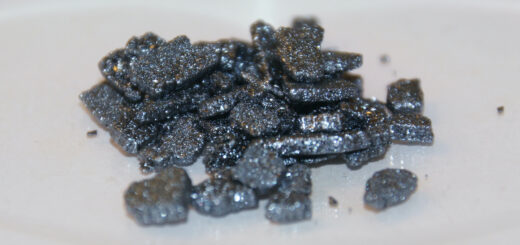
Iodine is a mineral the body needs to make thyroid hormones. Most people in the United States get enough from food and iodized salt, but some groups fall short, and too much causes its...

Biotin is a B vitamin that helps the body turn food into energy. It is sold in supplements for hair, skin and nails, but the evidence for that use is thin. This guide covers...

Joint supplements are crowded with herbs, resins and turmeric blends, and the evidence behind them is thinner than the labels suggest. This guide covers what NIH says about turmeric, glucosamine and chondroitin, a liver...

Collagen is the main structural protein in skin, bone, tendons and cartilage, and collagen powders and pills are sold for skin and joints. This guide covers what trials show, why organic collagen is hard...

Zinc is a mineral your immune system, wound healing and sense of taste depend on, and most people in the United States get enough from food. This guide covers how much zinc NIH says...

Vitamin C, or ascorbic acid, is a water-soluble nutrient that the body cannot make. Most people get enough from fruits and vegetables, and some take it as a supplement. This guide covers daily amounts,...

Psyllium husk is a soluble fiber taken from the seeds of the Plantago ovata plant. It is sold as a powder, granules and capsules for regularity. This guide covers how to take it safely,...

Probiotics are live microorganisms sold as capsules, drops and powders. This guide covers what NCCIH says about the evidence, who should be careful, what an organic claim covers on a probiotic, and how six...

A multivitamin packs many vitamins and minerals into one tablet. This guide covers what the NIH says about who benefits, the upper limits and iron warning, what to check on a label, and how...

Fish oil is one of the most common omega-3 supplements, and the shelves are crowded with brands. This guide covers what NCCIH and the NIH say about fish oil, the side effects and medicine...

Iron helps the body make hemoglobin, the protein in red blood cells that carries oxygen, and many people take iron supplements when a doctor finds their levels low. This guide covers how much iron...

Ginger root is a kitchen staple that is also sold as a powder and as capsules for stomach and joint use. This guide covers what NCCIH says about the evidence, the side effects, how...

Garlic is one of the most studied herbal supplements, and one of the easiest to find in organic form. This guide covers what NIH researchers have found, who should be careful, how capsules, aged...

Organic greens powders are dried and ground fruits, vegetables, grasses and algae that you mix into water or a smoothie. They are a convenient add-on if you struggle to eat enough vegetables, but not...

Ashwagandha is one of the most popular herbal supplements in the United States, sold as capsules, tablets and powder. This guide covers what the plant is, what NIH researchers have found about stress and...