We may earn a commission from qualifying purchases. Product links on this page are affiliate links, at no extra cost to you; see our Affiliate Disclosure.
Magnesium helps regulate muscle and nerve function, blood sugar and blood pressure, and it is needed to make protein, bone and DNA. Many people in the United States get less from food than the recommended amount. This guide covers how much magnesium adults need, the upper limit for supplements, which medicines interact with it, and how two magnesium supplements made with organic ingredients compare.General information, not medical advice. Talk to your doctor or pharmacist before you start a supplement, especially if you are pregnant, take medicine or are buying for a child.

Key Specs Compared
Numbers match the reviews below (tap to jump).
| # | Form | Size / count | Stated certifications | Vegan |
|---|---|---|---|---|
| 1 | Capsules | 120 Count | Made with organic vegetables (not USDA Organic), Non-GMO | Yes |
| 2 | Capsules | 120 Count | Called organic magnesium (not USDA Organic) | Yes |
– = not stated by the maker · Specs and certifications as stated by the listing, not tested or verified by us; check the listing before you buy
Magnesium safety
- The upper limit for magnesium from supplements and medicines is 350 mg a day for adults, and it does not include the magnesium in food.[1]
- High intakes from supplements can cause diarrhea, nausea and abdominal cramping, and extremely high intakes can lead to irregular heartbeat and cardiac arrest.[1]
- Magnesium supplements can interfere with bisphosphonates for osteoporosis and with antibiotics when taken too close together.[1]
- Take magnesium for migraines only under the care of a health care provider.[1]
What Magnesium Does
- Body Functions – Magnesium helps regulate muscle and nerve function, blood sugar levels and blood pressure, and it helps make protein, bone and DNA.[1]
- Amounts – Men need 400 to 420 mg a day and women need 310 to 320 mg. Pregnant women need 350 to 360 mg.[1]
- Food Sources – Legumes, nuts, seeds, whole grains, green leafy vegetables such as spinach, fortified cereals, milk and yogurt provide magnesium.[1]
- Intake – Many people in the United States get less than the recommended amount from food, and men over 70 and teenagers are the most likely to have low intakes.[1]
What the Research Shows
- Blood Pressure – Magnesium supplements might decrease blood pressure, but only by a small amount.[1]
- Type 2 Diabetes – People with more magnesium in their diets tend to have a lower risk of type 2 diabetes, and more research is needed on supplements for people who already have it.[1]
- Bones – People with higher magnesium intakes have a higher bone mineral density, and more research is needed on whether supplements reduce the risk of osteoporosis.[1]
- Migraine – Several small studies found that magnesium supplements can modestly reduce the frequency of migraines.[1]
Who Is More Likely to Get Too Little
- Digestive Conditions – People with Crohn’s disease or celiac disease are more likely to get too little magnesium.[1]
- Type 2 Diabetes and Alcohol Use – People with type 2 diabetes and people with long-term alcoholism are also more likely to run low.[1]
- Medicines – Diuretics can increase or decrease magnesium loss in urine, and drugs for acid reflux or ulcers can lower blood magnesium when taken for a long time.[1]
What to Check on a Magnesium Label
- Form – Magnesium aspartate, citrate, lactate and chloride are the forms that are more easily absorbed.[1]
- Organic Claim – Organic products must be produced using agricultural practices overseen by a USDA-authorized certifier, so check which ingredients an organic claim covers.[2]
- Amount per Serving – Check the Supplement Facts label for mg of magnesium per serving and compare it with the 350 mg supplement limit.
What the Research Says
The NIH Office of Dietary Supplements says the diets of many people in the United States provide less than the recommended amount of magnesium, but total intakes from food and supplements are generally above it.[1] It says the evidence for magnesium supplements for blood pressure, diabetes, bone health and migraine needs more research.[1]How We Chose These Products
We do not test products. We compare product details: form, amount per container, stated certifications, ingredients and availability.[2] Brands don’t pay to be included, though we may earn a commission from purchases.Our Magnesium Supplement Picks
We found two magnesium supplements made with organic ingredients, so this guide has two picks. With every purchase through the links on this page, we may earn a commission, at no extra cost to you.1
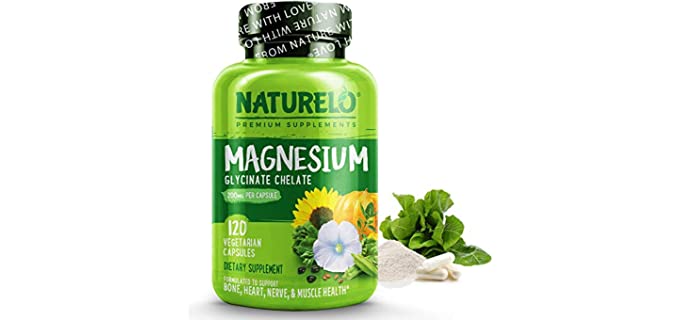
NATURELO® Magnesium Glycinate Magnesium glycinate chelate, 200 mg magnesium, with organic vegetables


Currently unavailable
- Naturelo Magnesium Glycinate is a 120-capsule bottle of magnesium glycinate chelate with 200 mg of magnesium, made with organic vegetables.
- It is vegan, non-GMO and free of soy, gluten, dairy, eggs, nuts, coloring, preservatives and flavoring.
- The vegetables are organic, but the magnesium glycinate itself is not, and the product is not USDA Organic.
2
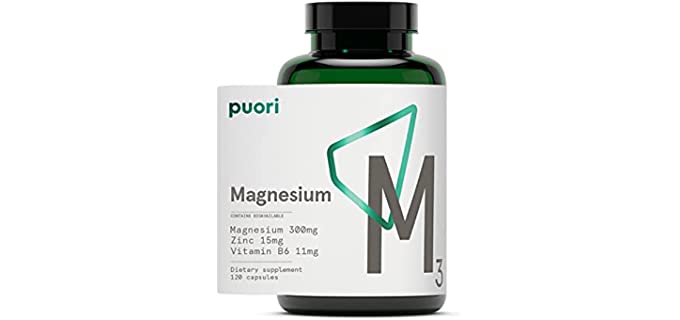
Puori® M3 Magnesium Complex Magnesium complex with zinc, vitamin B6 and malic acid, 120 vegan capsules


Currently unavailable
- Puori M3 is a 120-capsule bottle of vegan magnesium complex with zinc, vitamin B6 and malic acid, made in the USA.
- The product calls its magnesium organic, and it is not USDA Organic.
- Every batch is tested by Clean Label Project, and the capsules contain zinc, so check the Supplement Facts label if you take other zinc.
Index Table: Organic & Natural Magnesium Supplements
| No. | Product | Image | Features | Brand |
|---|---|---|---|---|
| 1 | NATURELO Magnesium Glycinate - Magnesium glycinate chelate, 200 mg magnesium, with organic vegetables |  |
| NATURELO |
| 2 | Puori M3 Magnesium Complex - Magnesium complex with zinc, vitamin B6 and malic acid, 120 vegan capsules |  |
| Puori |
Sources
- NIH Office of Dietary Supplements. Magnesium Fact Sheet for Consumers. Accessed October 27, 2026.
- USDA Agricultural Marketing Service. Organic Labeling Standards. Accessed October 27, 2026.
Update History
- Oct 2026: Rewrote the guide text and product notes around the NIH magnesium fact sheet, corrected the daily amount for women, added the supplement upper limit, medicine cautions and research, removed unsupported claims, and replaced the sources (NIH Office of Dietary Supplements, USDA)
- Oct 2026: Removed Vitalitown Magnesium Complex, Natural Rhythm Triple Calm and Nested Naturals Magnesium Glycinate (no organic ingredients on the product pages); explained what “organic” means for a mineral and how to read elemental magnesium; Key Specs now match each product page; added Sources (NIH Office of Dietary Supplements, USDA, FDA)
- Nov 2021: First published