We may earn a commission from qualifying purchases. Product links on this page are affiliate links, at no extra cost to you; see our Affiliate Disclosure.
Zinc is a mineral your immune system, wound healing and sense of taste depend on, and most people in the United States get enough from food. This guide covers how much zinc NIH says people need, the safe upper limits, what the research says about colds, and how seven organic zinc products compare by form, count and certification.General information, not medical advice. Talk to your doctor or pharmacist before you start a supplement, especially if you are pregnant, take medicine or are buying for a child.

Key Specs Compared
Numbers match the reviews below (tap to jump).
| # | Form | Size / count | Stated certifications | Vegan |
|---|---|---|---|---|
| 1 | Capsules | 60 Count | USDA Organic | Yes |
| 2 | Capsules | 120 Count | Made with organic ingredients (not USDA Organic), Non-GMO | Yes |
| 3 | Liquid drops | 8 Fl Oz | USDA Organic, Non-GMO, Kosher | Yes |
| 4 | Liquid drops | 4 Fl Oz | USDA Organic | Yes |
| 5 | Tablets | 60 Count | Made with organic vegetables and herbs, Non-GMO, Kosher | Vegetarian |
| 6 | Liquid drops | 2 Fl Oz | USDA Organic | Yes |
| 7 | Liquid drops | 2 Fl Oz | USDA Organic, Non-GMO | Yes |
– = not stated by the maker · Specs and certifications as stated by the listing, not tested or verified by us; check the listing before you buy
Zinc safety
- The daily upper limit for adults is 40 mg of zinc from all sources, and it is much lower for children: 7 mg for ages 1 to 3, 12 mg for ages 4 to 8 and 23 mg for ages 9 to 13.[1]
- Too much zinc for a long time can lower immunity and HDL cholesterol and cause low copper levels, which can lead to numbness and loss of coordination.[1]
- Zinc can lower the absorption of quinolone and tetracycline antibiotics and of penicillamine. NIH says to take the antibiotic at least 2 hours before, or 4 to 6 hours after, zinc.[1]
- Zinc nasal sprays and gels have been linked to a lasting loss of smell, so skip them.[2]
Who Needs Zinc?
- What It Does – Zinc is found in cells throughout the body. It helps the immune system fight bacteria and viruses, and the body uses it to make DNA and proteins and to heal wounds.[1]
- Daily Amounts – NIH gives 11 mg a day for adult men and 8 mg for adult women, with 11 mg during pregnancy and 12 mg while breastfeeding. Children need 3 mg at ages 1 to 3, 5 mg at ages 4 to 8 and 8 mg at ages 9 to 13.[1]
- Higher Risk – People who have had gastrointestinal surgery or have Crohn’s disease or ulcerative colitis, vegetarians and vegans, pregnant or breastfeeding women, older breastfed infants and people with alcohol use disorder may have trouble getting enough.[1]
- Signs of Low Zinc – Low zinc can cause loss of appetite, slow growth in children, hair loss, frequent infections and a loss of taste and smell. Many of these signs have other causes, so ask your health care provider.[1]
Zinc Supplement Forms
- Common Forms – Supplements use zinc sulfate, zinc acetate, zinc gluconate and other forms. NIH says it is not clear whether one form is better than the others.[1]
- What Organic Means – Zinc is a mineral, so the mineral itself cannot be organic. A USDA Organic seal on a zinc product covers its farm ingredients, such as organic glycerin, fruit or leaf extracts, and the zinc is the same mineral either way.[4]
- Liquid Drops – Drops let you adjust the dose, and several of the products here are drops in a glass bottle with a dropper. Measure each serving and keep children’s doses within the age limits above.
- Capsules and Tablets – Easier to dose, with one serving per capsule or tablet. Check the milligrams of zinc per serving, since they run from low doses to 35 mg.
What to Check on a Zinc Supplement Label
- Amount Per Serving – Compare the milligrams of zinc with the daily amounts above. A 35 mg serving, such as the Naturelo capsule, is close to the 40 mg adult limit when you add food.[1]
- Supplement Facts Panel – It shows the ingredients, the serving size and the amount per serving.[3]
- Copper – Long-term high zinc can lower copper levels, and one product here adds copper. Ask your health care provider about long-term use.[1]
- Organic Seal – Look for the USDA Organic seal if you want a certified organic product.[4]
- Count and Price – Divide the price by the number of servings, not capsules or fluid ounces, to compare products fairly.
What the Research Says
The NIH Office of Dietary Supplements says some studies suggest that zinc lozenges or syrup speed recovery from a cold when started at the first signs, but they do not seem to change how severe the symptoms are, and more study is needed on the best dose and form.[1] It adds that zinc deficiency is uncommon in the United States and that people with age-related macular degeneration should talk to a doctor about the AREDS supplement, which uses 80 mg of zinc together with other ingredients.[1] The sheet notes that more research is needed on zinc and type 2 diabetes.[1]How We Chose These Products
We do not test products. We compare product details: form, amount per container, stated certifications, ingredients and availability.[3][4] Brands don’t pay to be included, though we may earn a commission from purchases.Our Organic Zinc Supplement Picks
These seven zinc products come as capsules, tablets and liquid drops, with an organic claim on the label for at least part of the formula. With every purchase through the links on this page, we may earn a commission, at no extra cost to you.1
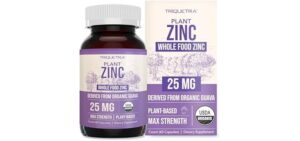
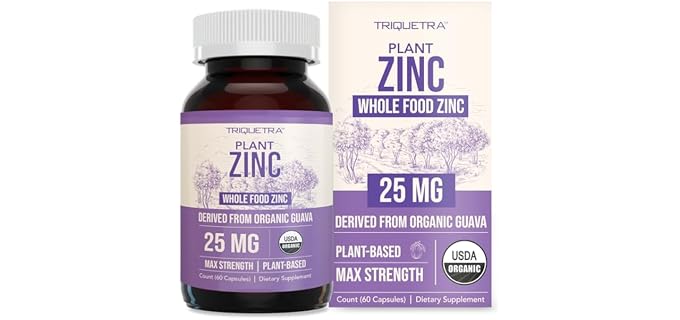
Triquetra Health® Organic Zinc Whole food zinc from organic fruit, 25 mg, 60 capsules
Currently unavailable
- Triquetra Health Organic Zinc is a 60-capsule bottle that gives 25 mg of zinc from a fruit-based, water-extracted whole food source.
- It is USDA Organic, vegan, gluten-free and soy-free, and each lot is third-party tested.
- At 25 mg a serving it is well above the 11 mg adult daily amount, so it is a better fit for people whose doctor wants more zinc.
2
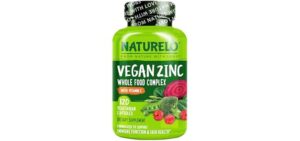
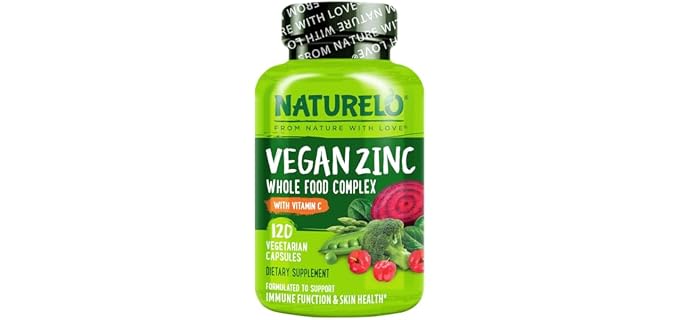
NATURELO® Vegan Zinc Brown rice chelate zinc with vitamin C, 35 mg, 120 capsules
Currently unavailable
- Naturelo Vegan Zinc is a 120-capsule bottle that gives 35 mg of zinc as a brown rice chelate, with vitamin C and an organic vegetable blend.
- It is vegan, non-GMO, gluten-free and soy-free in a vegetarian capsule, but it is made with organic ingredients rather than USDA Organic certified.
- At 35 mg a serving it is close to the 40 mg adult upper limit, so count zinc from food and other supplements.
3
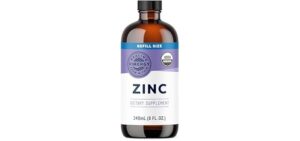
Vimergy® Organic Liquid Zinc USDA Organic liquid zinc sulfate drops, 7.5 mg, 8 fl oz
Currently unavailable
- Vimergy Organic Liquid Zinc is an 8 fl oz bottle of zinc sulfate drops with 7.5 mg per serving, which is about 4 months of servings.
- It is USDA Organic, non-GMO, vegan and kosher, with organic flax glycerin and no added sugar, colors or flavors.
- It has the lowest dose per serving of the seven, which makes it easy to stay under the upper limit.
4
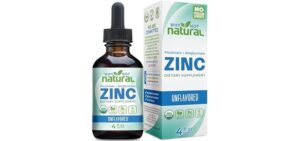
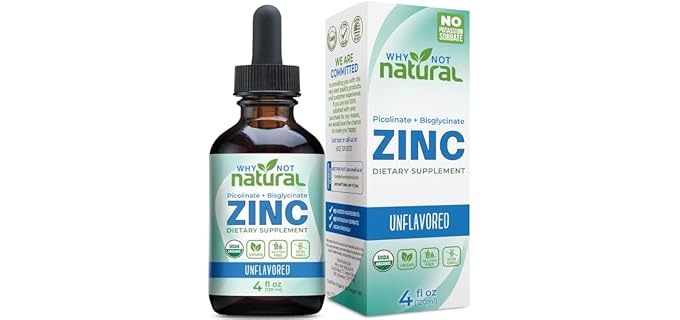
Why Not Natural® Liquid Zinc Drops Zinc picolinate and bisglycinate liquid drops, 4 fl oz
Currently unavailable
- Why Not Natural Liquid Zinc Drops come in a 4 fl oz glass bottle with a dropper that has marked serving sizes.
- The zinc is picolinate and bisglycinate in organic glycerin, and the bottle holds 338 mg of zinc in total.
- It is USDA Organic and vegan, and the marked dropper lets you adjust the dose, with a different serving for children.
5
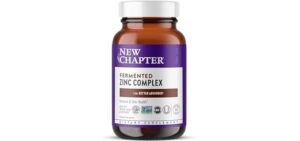
New Chapter® Fermented Zinc Complex Fermented zinc with elderberry, astragalus and copper, 60 tablets
Currently unavailable
- New Chapter Fermented Zinc Complex is a 60-tablet bottle for one tablet a day.
- It is made with organic vegetables and herbs, and it adds elderberry, organic astragalus and copper.
- It is non-GMO, vegetarian, gluten-free and kosher.
6
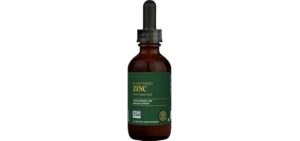
Global Healing® Organic Zinc Drops Plant-based liquid zinc with organic guava leaf extract, 2 fl oz
Currently unavailable
- Global Healing Organic Zinc Drops are a 2 fl oz dropper bottle of plant-based liquid zinc made with organic guava leaf extract.
- It is USDA Organic and made in a cGMP certified facility in Phoenix, Arizona.
- Read the label for the zinc per serving before you add it to other supplements.
7
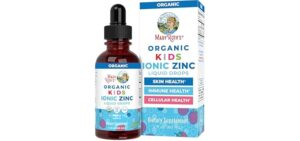
MaryRuth's® Kids Ionic Zinc Kids berry liquid zinc drops, ages 4 to 13, 2 fl oz
Currently unavailable
- MaryRuth’s Kids Ionic Zinc is a 2 fl oz bottle of berry-flavored drops for children aged 4 to 13, with 30 servings.
- The serving is up to 2 mL once a day, added to food or a drink or taken by mouth, and the bottle should be kept out of reach of children.
- It is USDA Organic, non-GMO, vegan and sugar-free, but check with your pediatrician first since the upper limit for ages 4 to 8 is 12 mg.
Index Table: Organic Zinc Supplements



Sources
- NIH Office of Dietary Supplements. Zinc: Fact Sheet for Consumers. Accessed October 27, 2026.
- NIH Office of Dietary Supplements. Zinc: Fact Sheet for Health Professionals. Accessed October 27, 2026.
- NIH Office of Dietary Supplements. Dietary Supplements: What You Need to Know. Accessed October 27, 2026.
- USDA Agricultural Marketing Service. Organic Labeling Standards. Accessed October 27, 2026.
Update History
- Oct 2026: Rewrote the guide text and product notes around NIH zinc fact sheets, added daily amounts, upper limits by age, cold research and medicine interactions, removed unsupported claims and the product-page source, and replaced the sources (NIH, FDA, USDA)
- Oct 2026: Removed MaryRuth’s Zinc Gummies, which make no organic claim; explained what organic means for a mineral; corrected the organic details for each product
- Oct 2025: Added Triquetra Health Organic Zinc, Naturelo Vegan Zinc, Vimergy Organic Liquid Zinc, Why Not Natural Liquid Zinc Drops, New Chapter Fermented Zinc Complex, MaryRuth’s Zinc Gummies and MaryRuth’s Kids Ionic Zinc
- Jan 2020: First published
