We may earn a commission from qualifying purchases. Product links on this page are affiliate links, at no extra cost to you; see our Affiliate Disclosure.
Ginkgo comes from the leaf of the ginkgo tree, one of the oldest tree species alive, and the leaf extract is the form sold as a supplement. It is marketed for memory and many other uses, but the NIH says it has not been shown to work for any condition studied. This guide covers what the research shows, the side effects and cautions, and how two organic ginkgo products compare.General information, not medical advice. Talk to your doctor or pharmacist before you start a supplement, especially if you are pregnant, take medicine or are buying for a child.
Key Specs Compared
Numbers match the reviews below (tap to jump).
| # | Form | Size / count | Stated certifications | Vegan |
|---|---|---|---|---|
| 1 | Powder | 8 Ounce | Organic, Non-GMO | Yes |
| 2 | Liquid extract | 1 Fl Oz | Certified organic, Non-GMO | Not stated |
– = not stated by the maker · Specs and certifications as stated by the listing, not tested or verified by us; check the listing before you buy
Ginkgo safety
- Ginkgo may increase the risk of bleeding in people who take anticoagulants such as warfarin, and it may interact with other drugs.[1]
- Ginkgo may be unsafe in pregnancy, since it might cause early labor or extra bleeding during delivery.[1]
- Fresh ginkgo seeds are toxic when eaten, and serious side effects have occurred in people who ate roasted seeds or the crude plant.[1]
- The most common side effects of ginkgo leaf extract are dizziness, stomach symptoms and headache.[1]
What Ginkgo Is
- Source – Ginkgo biloba is a deciduous tree so ancient that it is called a living fossil, and the leaf, usually as an extract, is the most common form used today.[1]
- History – Ginkgo has a long history in Chinese medicine for cough, diarrhea and other conditions.[1]
- Marketing – Ginkgo is promoted as a dietary supplement for anxiety, heart disease, dementia, diabetes, tinnitus and to improve cognitive performance in healthy people.[1]
What the Research Shows
- Overall – Many studies have looked at ginkgo, but it has not been shown to be effective for any of the conditions studied.[1]
- Dementia – In the Ginkgo Evaluation of Memory study, more than 3,000 people age 75 or older took ginkgo or a placebo for a median of 6 years, and there was no difference in the rates of dementia or Alzheimer’s disease.[1]
- Memory in Healthy People – It is uncertain whether ginkgo affects cognitive performance in healthy people, and much of the research is of low quality.[1]
- Heart and Ears – Research suggests ginkgo is not helpful for preventing heart disease, treating high blood pressure, or relieving tinnitus or multiple sclerosis symptoms.[1]
Safety and Side Effects
- Leaf Extract – For most adults, ginkgo leaf extracts are likely to be safe in moderate amounts, and they have been used safely in studies lasting as long as 6 years.[1]
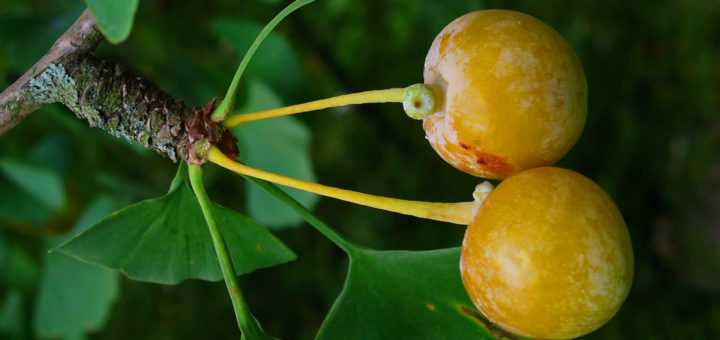
- Seeds – Do not eat ginkgo seeds, since fresh seeds are toxic.[1]
- Medicines – If you take any type of medicine, talk to your health care provider before using ginkgo, since some herbs and medicines interact in harmful ways.[1]
- Breastfeeding – Little is known about whether ginkgo is safe while breastfeeding.[1]
What to Check on a Ginkgo Label
- Organic Claim – A product can carry the USDA organic seal only if it is certified, and a product that is not certified can name only its certified organic ingredients as organic on the information panel.[3]
- Supplement Facts – The label shows the amount per serving and the other ingredients. The FDA does not determine whether supplements are effective before they are marketed.[2]
- Form – One pick is a powder to stir into drinks and one is a liquid extract. Choose the form you will use.
What the Research Says
NCCIH says there is no conclusive evidence that ginkgo is helpful for any health condition, and that it has not been shown to prevent or slow dementia.[1] It says ginkgo may have a modest benefit for dementia symptoms at relatively high doses, but the evidence is inconsistent.[1]How We Chose These Products
We do not test products. We compare product details: form, amount per container, stated certifications, ingredients and availability.[3] Brands don’t pay to be included, though we may earn a commission from purchases.Our Organic Ginkgo Biloba Picks
We found two ginkgo products with a certified organic claim, so this guide has two picks. With every purchase through the links on this page, we may earn a commission, at no extra cost to you.1
Micro Ingredients® Ginkgo Extract Powder Organic ginkgo biloba leaf extract powder, 8 oz


Currently unavailable
- Micro Ingredients Organic Ginkgo Biloba Extract Powder is an 8 oz bag of raw organic ginkgo leaf extract powder with a scoop included.
- It is non-GMO and vegan friendly, with no fillers, preservatives or artificial colors.
- The directions call for taking it daily with or between meals, stirred into a shake or smoothie.
2
Herb Pharm® Ginkgo Liquid Extract Certified organic ginkgo leaf liquid extract, 1 oz


Currently unavailable
- Herb Pharm Certified Organic Ginkgo Liquid Extract is a 1 fl oz bottle of liquid extract made from the leaf of organic ginkgo trees.
- It is gluten-free and non-GMO.
- Herb potency is checked by high performance thin layer chromatography.
Index Table: Organic Ginkgo Biloba
| No. | Product | Image | Features | Brand |
|---|---|---|---|---|
| 1 | Micro Ingredients Ginkgo Extract Powder - Organic ginkgo biloba leaf extract powder, 8 oz |  |
| Micro Ingredients |
| 2 | Herb Pharm Ginkgo Liquid Extract - Certified organic ginkgo leaf liquid extract, 1 oz |  |
| Herb Pharm |
Sources
- NCCIH. Ginkgo: Usefulness and Safety. Accessed October 27, 2026.
- NIH Office of Dietary Supplements. Dietary Supplements: What You Need to Know. Accessed October 27, 2026.
- USDA Agricultural Marketing Service. Organic Labeling Standards. Accessed October 27, 2026.
Update History
- Oct 2026: Rewrote the guide text and product notes around the NCCIH ginkgo page, added what the research shows, the side effects and the bleeding, pregnancy and seed cautions, removed unsupported claims, and replaced the sources (NCCIH, NIH Office of Dietary Supplements, USDA)
- Oct 2026: Removed NusaPure, Nutricost, Doctor’s Best, NOW and Nature’s Bounty (not organic); corrected expiry, brain-health and safety claims; added Sources (FDA, NIH Office of Dietary Supplements, NCCIH, Mayo Clinic, Federal Trade Commission, USDA, product pages)
- Jun 2020: First published