As an Amazon Associate I earn from qualifying purchases. Product links on this page are affiliate links, at no extra cost to you; see our Affiliate Disclosure.
Most permanent hair dyes are synthetic “coal-tar” dyes. The best-known one, PPD (p-phenylenediamine), is a leading cause of hair-dye allergies.[1] Plant dyes like henna and indigo are the only hair colors that can really be organic. Below we explain how they differ from boxed dyes and list four certified-organic plant colors.Disclaimer: This article is general information, not medical advice. Patch-test new skin and hair products, and see a dermatologist for persistent skin problems.

Key Specs Compared
Numbers match the reviews below (tap to jump).
| # | Form | Size | Stated certifications | Fragrance |
|---|---|---|---|---|
| 1 | Powder | 4 Oz (Pack of 3) | USDA Organic (henna) | Unscented |
| 2 | Powder | 8 Oz (227 g) | USDA Organic (indigo) | Unscented |
| 3 | Powder | 4 Oz (Pack of 3) | USDA Organic (indigo, henna) | Unscented |
| 4 | Powder | 1.75 Oz (50 g) | Ecocert organic ingredients (maker claim) | Herbal |
– = not stated on the Amazon listing · Specs and certifications as stated by the listing, not tested or verified by us; check the listing before you buy
Hair color safety
Beware Of Chemicals In Non-Natural Hair Dyes
Some ingredient warnings online go further than the evidence. Here’s what regulators say:- Fragrance: Fragrance mixes are a common cause of skin allergies and irritation; choose fragrance-free if you have sensitive skin.[3]
- Parabens: The FDA says it has no evidence that parabens as used in cosmetics are harmful to health.[4]
- Phthalates: The FDA continues to review phthalates; most cosmetics no longer contain them except in some fragrances.[5]
- Formaldehyde releasers and certain preservatives: These can cause allergic reactions in some people.[6]
- Sulfates (SLS, SLES): Effective cleansers that can be drying or irritating for some skin types; they are not considered carcinogens.[6]
- Lead and contaminants: The FDA monitors contaminants in cosmetics, and measured levels in products like lipstick have been low.[7]
Benefits of Using Natural Organic Hair Color
Organic and natural personal care products use more plant-based ingredients, and some carry the USDA Organic seal for their agricultural ingredients.[9] Many people prefer them for sustainability or ingredient preferences. But “organic” doesn’t mean hypoallergenic or safer for every skin type, and the FDA doesn’t define “natural” for cosmetics.[8][10] Cosmetics can’t legally claim to treat skin conditions like acne or eczema; products that do are regulated as drugs.[11]How Plant Hair Colors Differ
Henna (Lawsonia inermis) stains hair red-orange. Indigo adds blue-black, and mixing the two gives browns and blacks. These dyes coat the hair and bind to its outer layer instead of using ammonia and peroxide to open the cuticle. What to expect:- They only add color. Plant dyes can’t lighten hair, and results on gray hair vary, often taking two steps (henna, then indigo).
- Henna lasts. It fades slowly and grows out rather than washing out, so it’s hard to undo. Indigo fades faster.
- Allergies are still possible. Plant ingredients can cause reactions too, so do a skin test 48 hours before every use.[2][8]
- Avoid “black henna.” Pure henna is never black. Products sold as black henna may contain PPD, which can cause severe reactions.[1]
- Tell your stylist. If you later want a salon dye, perm or bleach, mention the henna first, since results over henna can be unpredictable.
What the Research Says
The FDA doesn’t define “organic” or “natural” for cosmetics; a product can carry the USDA Organic seal only if its agricultural ingredients meet USDA standards.[9][8] Plant ingredients can still cause allergic reactions, and fragrance is a common cause of skin irritation.[3] Cosmetics can’t legally claim to treat or cure skin conditions; products that do are regulated as drugs.[11]How We Chose These Products
We don’t test products hands-on. We compared labels and listings: ingredients and fragrance, what any organic claim covers (USDA seal or third-party certification) [12], skin type, and price per ounce. We kept only plant dyes whose listings claim organic and whose makers state certification (USDA Organic or Ecocert). We removed three boxed dyes with synthetic PPD-type dyes and one henna blend with no organic claim. On October 18, 2026 we checked these brands against CPSC [13] recalls and openFDA enforcement records[14] and found none. Brands don’t pay to be included, though we may earn a commission from purchases.Our Picks: Organic Hair Colors
1
Light Mountain® Red Henna Color Organic henna leaf hair color, three-pack

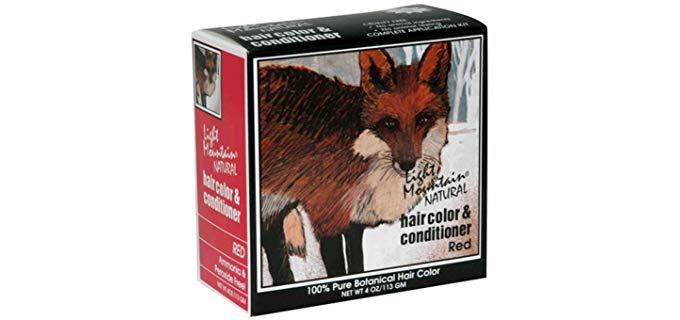
- Light Mountain Henna Hair Color.
- Three 4 oz packs. The only ingredient is certified-organic henna leaf powder, USDA Organic, with no PPD, ammonia or peroxide.
- Gives red to auburn tones. Comes with gloves and a cap; henna stains skin and nails, so wear them.
2
Just Jaivik® Organic Indigo Powder Indigofera tinctoria hair dye powder, 8oz


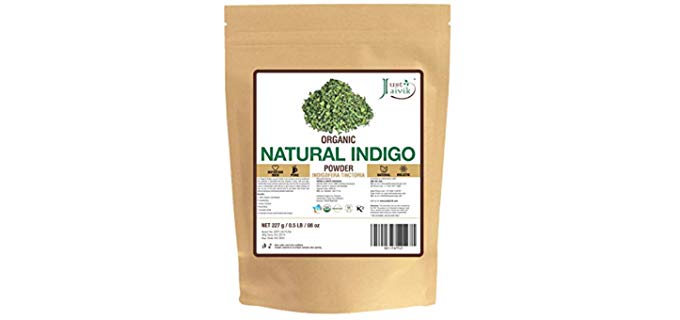
- Just Jaivik Organic Indigo Powder.
- 227 g (8 oz) of USDA Organic indigo leaf powder.
- Use it after henna or mixed with henna for brown to black. On its own on light hair, indigo can look blue-green. It fades faster than henna.
3
Light Mountain® Black Henna Color Organic henna leaf hair color, three-pack


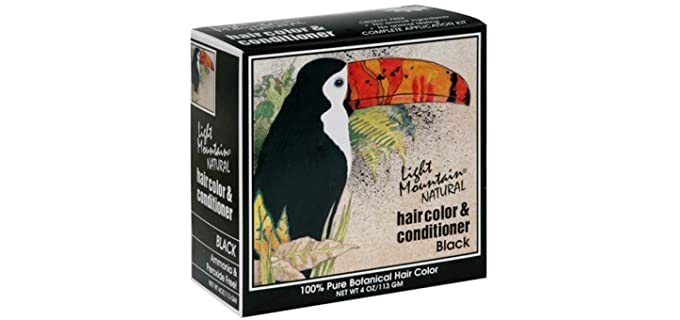
- Light Mountain Henna Hair Color.
- Three 4 oz packs of certified-organic indigo and henna leaf powders, USDA Organic, PPD-free.
- Comes with gloves and step-by-step instructions. Unlike street “black henna,” it gets its color from indigo, not PPD.
4
Vegetal® Dark Brown Color PPD-free plant hair color powder, 50g


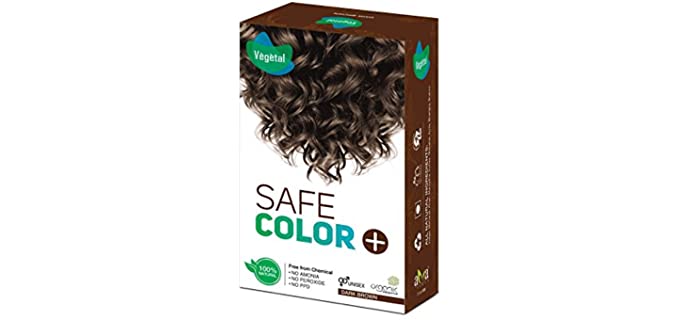
- 50 g (1.8 oz) herbal powder of indigo and henna with amla, shikakai, coffee and other botanicals. PPD-, ammonia- and peroxide-free.
- The maker says its ingredients are Ecocert-certified organic.
Index Table: Organic Hair Color
| No. | Product | Image | Features | Brand |
|---|---|---|---|---|
| 1 | Light Mountain Red Henna Color - Organic henna leaf hair color, three-pack |  |
| Light Mountain |
| 2 | Just Jaivik Organic Indigo Powder - Indigofera tinctoria hair dye powder, 8oz |  |
| Just Jaivik |
| 3 | Light Mountain Black Henna Color - Organic henna leaf hair color, three-pack |  |
| Light Mountain |
| 4 | Vegetal Dark Brown Color - PPD-free plant hair color powder, 50g |  |
| Vegetal |
Sources
- U.S. Food and Drug Administration. Hair Dyes. Accessed October 16, 2026.
- American Academy of Dermatology. Tips for healthy hair: hair dye. Accessed October 16, 2026.
- U.S. Food and Drug Administration. Fragrances in Cosmetics. Accessed October 16, 2026.
- U.S. Food and Drug Administration. Parabens in Cosmetics. Accessed October 16, 2026.
- U.S. Food and Drug Administration. Phthalates in Cosmetics. Accessed October 16, 2026.
- U.S. Food and Drug Administration. Cosmetics Safety Q&A: Prohibited and restricted ingredients. Accessed October 16, 2026.
- U.S. Food and Drug Administration. Lead in Food and Foodwares. Accessed October 16, 2026.
- U.S. Food and Drug Administration. Cosmetics Labeling Claims. Accessed October 16, 2026.
- U.S. Food and Drug Administration. “Organic” Cosmetics. Accessed October 16, 2026.
- U.S. Food and Drug Administration. “Hypoallergenic” Cosmetics. Accessed October 16, 2026.
- U.S. Food and Drug Administration. Is It a Cosmetic, a Drug, or Both? (Or Is It Soap?). Accessed October 16, 2026.
- USDA Agricultural Marketing Service. Organic Labeling Standards. Accessed October 16, 2026.
- U.S. Consumer Product Safety Commission. Recalls. Accessed October 16, 2026.
- U.S. Food and Drug Administration, openFDA. Drug Recall Enforcement Reports (searched October 18, 2026). Accessed October 18, 2026.
Update History
- Oct 2026: Removed Herbatint 5N, Naturigin 7.0 and Indus Valley Soft Black Gel (synthetic oxidative dyes: PPD or toluene-2,5-diamine, with only a few organic extracts) and The Henna Guys Auburn (listing makes no organic claim); rewrote the ‘superior’ section (plant dyes can’t lighten hair, henna is hard to undo, allergies are still possible, skin test 48 hours before every use, avoid black henna); corrected Key Specs for the four USDA Organic or Ecocert plant dyes; Sources (AAD, FDA, USDA AMS, CPSC, openFDA)
- Sep 2021: First published
Views: 0