As an Amazon Associate I earn from qualifying purchases. Product links on this page are affiliate links, at no extra cost to you; see our Affiliate Disclosure.
Plus, regular shampoos damage the dyed hair very quickly.Disclaimer: This article is general information, not medical advice. Patch-test new skin and hair products, and see a dermatologist for persistent skin problems.
Key Specs Compared
Numbers match the reviews below (tap to jump).
| # | Form | Size |
|---|---|---|
| 1 | Liquid | 8.5 Fl Oz |
| 2 | Liquid | 11.5 Fl Oz |
| 3 | Oil | 32 Fl Oz |
| 4 | Liquid | 16 Fl Oz (Pack of 2) |
| 5 | Liquid | 25.7 Fl Oz |
| 6 | Oil | 8 Fl Oz (Pack of 2) |
– = not stated on the Amazon listing · Specs and certifications as stated by the listing, not tested or verified by us; check the listing before you buy
Skin product safety
Organic and natural personal care products use more plant-based ingredients, and some carry the USDA Organic seal for their agricultural ingredients.[3] Many people prefer them for sustainability or ingredient preferences. But “organic” doesn’t mean hypoallergenic or safer for every skin type, and the FDA doesn’t define “natural” for cosmetics.[1][4] Cosmetics can’t legally claim to treat skin conditions like acne or eczema; products that do are regulated as drugs.[5]
Chemicals To Look For In Your Regular Shampoo
Some ingredient warnings online go further than the evidence. Here’s what regulators say:- Fragrance: Fragrance mixes are a common cause of skin allergies and irritation; choose fragrance-free if you have sensitive skin.[6]
- Parabens: The FDA says it has no evidence that parabens as used in cosmetics are harmful to health.[7]
- Phthalates: The FDA continues to review phthalates; most cosmetics no longer contain them except in some fragrances.[8]
- Formaldehyde releasers and certain preservatives: These can cause allergic reactions in some people.[9]
- Sulfates (SLS, SLES): Effective cleansers that can be drying or irritating for some skin types; they are not considered carcinogens.[9]
- Lead and contaminants: The FDA monitors contaminants in cosmetics, and measured levels in products like lipstick have been low.[10]
- Mint – Another herbal ingredient used in shampoos for a good reason. It freshens up the scalp and wakes up the senses.
- Lime – The fresh, zesty aroma makes it a desirable ingredient in many organic shampoos.
- Almond Extract – It soothes a dry, itchy scalp, thanks to its excellent emollient properties.
What the Research Says
Dermatologists recommend gentle, color-safe shampoos and washing less often to help color last.[11] The FDA doesn’t define “organic” or “natural” for cosmetics; a product can carry the USDA Organic seal only if its agricultural ingredients meet USDA standards.[3][1] Plant ingredients can still cause allergic reactions, and fragrance is a common cause of skin irritation.[6] Cosmetics can’t legally claim to treat or cure skin conditions; products that do are regulated as drugs.[5]How We Chose These Products
We don’t test products hands-on. We compared labels and listings: ingredients and fragrance, what any organic claim covers (USDA seal or third-party certification) [12], skin type, and price per ounce. We removed products that were out of stock, no longer listed or recalled, and we checked the brands we list against recent CPSC [13] recall notices in October 2026. Brands don’t pay to be included, though we may earn a commission from purchases. 1R+Co® Gemstone Color Shampoo Color-protecting shampoo, 8.5 fl oz


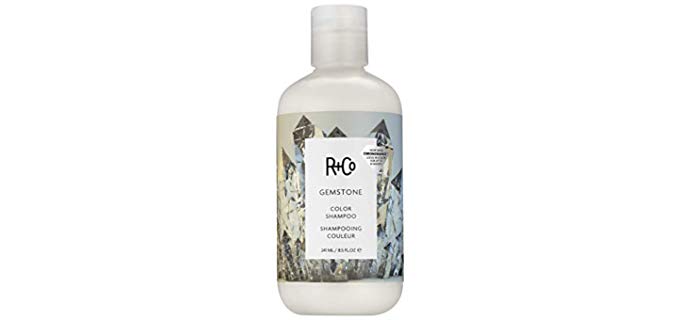
- R+Co Gemstone Color Shampoo.
- Listing details: 8.5 fl oz/251 mL; Relative Paradise Scent; Nourishing Shampoo for Gentle Cleansing.
- The paraben-, sulfate-, mineral oil-, gluten- and cruelty-free formula ensures all the protection your hair needs.
2
NatureLab Tokyo® Perfect Smooth Shampoo Plant stem cell smoothing shampoo


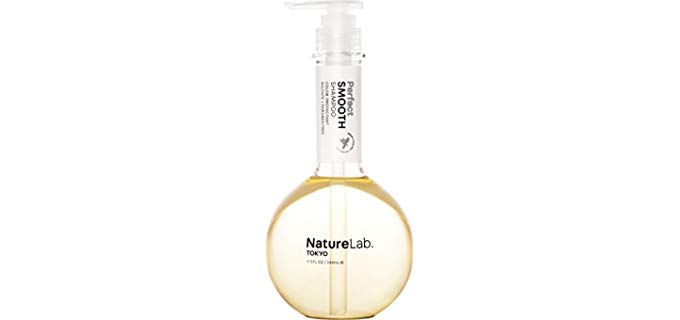
- NatureLab.TOKYO Perfect Smooth Shampoo.
- Listing details: 11.5 fl oz.
- Combining bamboo stem cells, keratin, and a blend of Argan, marula, and Baobab oil provides enough nourishment, leaving the hair smooth and frizz-free.
3
Pura D'or® ACV Shampoo Set Apple cider vinegar shampoo, conditioner set


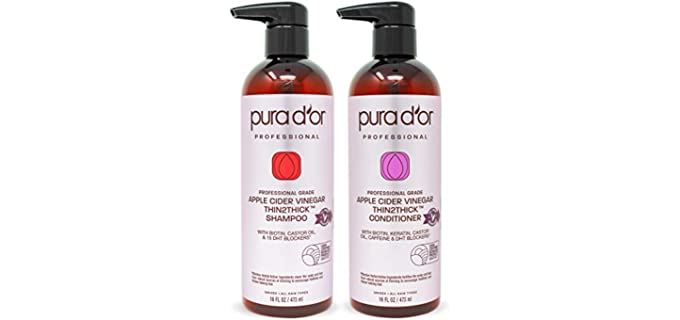
- PURA D’OR Apple Cider Vinegar Shampoo & Conditioner Clarifying Set.
- Listing details: 16oz x2; Thicker-Looking Volume; Sulfate-Free; For Men & Women.
- It promotes hydrating and thickening shampoo for color-treated hair.
4
Majestic Pure® ACV Shampoo Set Apple cider vinegar shampoo and conditioner


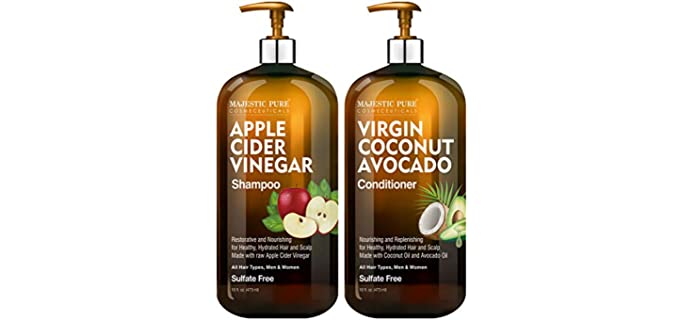
- Majestic Pure Apple Cider Vinegar Shampoo & Conditioner Set.
- Listing details: 2 x 16 Fl Oz; and maintaining soft.
- Clarifies and enhances the color of your hair.
5
Herbal Essences® Shampoo Conditioner Set Shampoo and conditioner value set


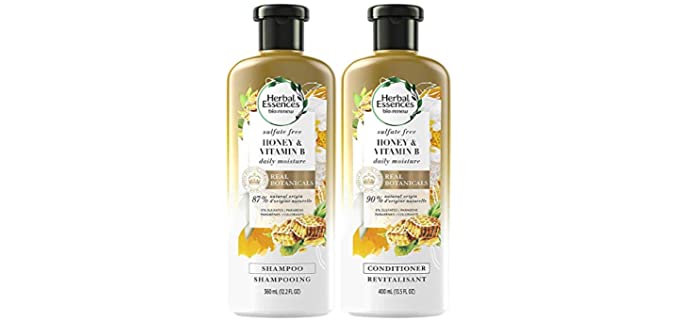
- Herbal Essences Shampoo and Conditioner Set 13.5 & 12.2 fl oz.
- The herbal Moisturising shampoo and conditioner set nourishes the Color-treated hair.
- The real botanicals in these formulas have been verified by the Royal Botanic Gardens, Kew.
6
Maple Holistics® Argan Oil Shampoo Sulfate-free argan oil shampoo, conditioner


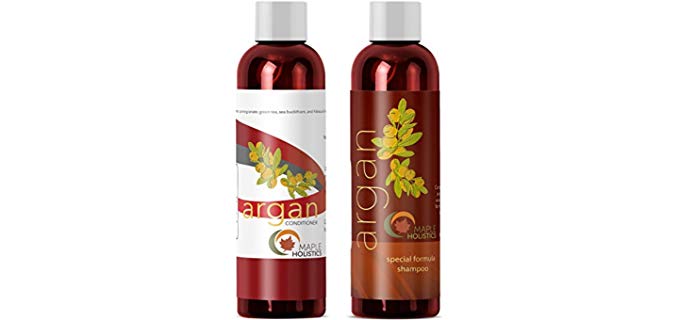
- Argan Oil of Morocco Shampoo and Conditioner.
- It is a mild formula that is suitable for both men and women.
- Moroccan Argan Oil – Upgrade your curly hair care and frizz control with argan hair oil infused curly hair shampoo and conditioner set uniquely crafted for anti frizz.
| No. | Product | Image | Features | Brand |
|---|---|---|---|---|
| 1 | R+Co Gemstone Color Shampoo - Color-protecting shampoo, 8.5 fl oz |  |
| R+Co |
| 2 | NatureLab Tokyo Perfect Smooth Shampoo - Plant stem cell smoothing shampoo |  |
| NatureLab Tokyo |
| 3 | Pura D'or ACV Shampoo Set - Apple cider vinegar shampoo, conditioner set |  |
| Pura D'or |
| 4 | Majestic Pure ACV Shampoo Set - Apple cider vinegar shampoo and conditioner | 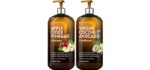 |
| Majestic Pure |
| 5 | Herbal Essences Shampoo Conditioner Set - Shampoo and conditioner value set |  |
| Herbal Essences |
| 6 | Maple Holistics Argan Oil Shampoo - Sulfate-free argan oil shampoo, conditioner |  |
| Maple Holistics |
Sources
- U.S. Food and Drug Administration. Cosmetics Labeling Claims. Accessed October 16, 2026.
- American Academy of Dermatology. How to wash your face. Accessed October 16, 2026.
- U.S. Food and Drug Administration. “Organic” Cosmetics. Accessed October 16, 2026.
- U.S. Food and Drug Administration. “Hypoallergenic” Cosmetics. Accessed October 16, 2026.
- U.S. Food and Drug Administration. Is It a Cosmetic, a Drug, or Both? (Or Is It Soap?). Accessed October 16, 2026.
- U.S. Food and Drug Administration. Fragrances in Cosmetics. Accessed October 16, 2026.
- U.S. Food and Drug Administration. Parabens in Cosmetics. Accessed October 16, 2026.
- U.S. Food and Drug Administration. Phthalates in Cosmetics. Accessed October 16, 2026.
- U.S. Food and Drug Administration. Cosmetics Safety Q&A: Prohibited and restricted ingredients. Accessed October 16, 2026.
- U.S. Food and Drug Administration. Lead in Food and Foodwares. Accessed October 16, 2026.
- American Academy of Dermatology. Tips for healthy hair: hair dye. Accessed October 16, 2026.
- USDA Agricultural Marketing Service. Organic Labeling Standards. Accessed October 16, 2026.
- U.S. Consumer Product Safety Commission. Recalls. Accessed October 16, 2026.
Update History
- Oct 2026: Product picks reviewed and updated; added Sources (FDA, AAD, USDA AMS, CPSC)
- Apr 2021: First published
Views: 0