As an Amazon Associate I earn from qualifying purchases. Product links on this page are affiliate links, at no extra cost to you; see our Affiliate Disclosure.
You’ve probably heard a good thing or two about organic conditioner and are now wondering where you can get some.Disclaimer: This article is general information, not medical advice. Patch-test new skin and hair products, and see a dermatologist for persistent skin problems.

Key Specs Compared
Numbers match the reviews below (tap to jump).
| # | Form | Size | Stated certifications |
|---|---|---|---|
| 1 | Liquid | 16 Fl Oz | Certified organic |
| 2 | Liquid | 14 Fl Oz | Not stated |
| 3 | Oil | 16 Fl Oz | Non-GMO |
| 4 | Liquid | 17.6 Fl Oz | Not stated |
| 5 | Liquid | 10 Fl Oz | Not stated |
| 6 | Oil | 8.5 Fl Oz | Not stated |
– = not stated on the Amazon listing · Specs and certifications as stated by the listing, not tested or verified by us; check the listing before you buy
Skin product safety
Why Organic Conditioner is a Good for Your Hair
Organic and natural personal care products use more plant-based ingredients, and some carry the USDA Organic seal for their agricultural ingredients.[3] Many people prefer them for sustainability or ingredient preferences. But “organic” doesn’t mean hypoallergenic or safer for every skin type, and the FDA doesn’t define “natural” for cosmetics.[1][4] Cosmetics can’t legally claim to treat skin conditions like acne or eczema; products that do are regulated as drugs.[5]Synthetic Conditioner Ingredients To Avoid & Why
Some ingredient warnings online go further than the evidence. Here’s what regulators say:- Fragrance: Fragrance mixes are a common cause of skin allergies and irritation; choose fragrance-free if you have sensitive skin.[6]
- Parabens: The FDA says it has no evidence that parabens as used in cosmetics are harmful to health.[7]
- Phthalates: The FDA continues to review phthalates; most cosmetics no longer contain them except in some fragrances.[8]
- Formaldehyde releasers and certain preservatives: These can cause allergic reactions in some people.[9]
- Sulfates (SLS, SLES): Effective cleansers that can be drying or irritating for some skin types; they are not considered carcinogens.[9]
- Lead and contaminants: The FDA monitors contaminants in cosmetics, and measured levels in products like lipstick have been low.[10]
Organic Conditioner Ingredients
The ingredients below constitute some features of organic conditioner, soothing and enriching your hair with a natural vibrancy that many of our ancestors knew about for thousands of years.- Sage – Any of the sage plants from clary sage to mint will help to keep your scalp free of infection as well as soothe any skin irritations you may have.
- Rosemary – Rosemary has been used in the Mediterranean region for centuries in hair remedies.
- Olive Oil – Olive oil is one of the best oils and should be included in nearly all cosmetic products. Oleic acid found in olive oil also profoundly softens hair, making it feel silky smooth.
- Manuka Honey – Manuka honey has especially potent medicinal effects and is recommended for those with scalp dermatitis and other similar conditions.
What the Research Says
The FDA doesn’t define “organic” or “natural” for cosmetics; a product can carry the USDA Organic seal only if its agricultural ingredients meet USDA standards.[3][1] Plant ingredients can still cause allergic reactions, and fragrance is a common cause of skin irritation.[6] Cosmetics can’t legally claim to treat or cure skin conditions; products that do are regulated as drugs.[5]How We Chose These Products
We don’t test products hands-on. We compared labels and listings: ingredients and fragrance, what any organic claim covers (USDA seal or third-party certification) [11], skin type, and price per ounce. We removed products that were out of stock, no longer listed or recalled, and we checked the brands we list against recent CPSC [12] recall notices in October 2026. Brands don’t pay to be included, though we may earn a commission from purchases.Our Organic Hair Conditioner Picks
Take your pick from our best selection of organic conditioners, which will keep your hair looking radiant and feeling soft!1
Laritelle® Fertile Roots Conditioner Organic Ayurvedic conditioner, 16oz bottle


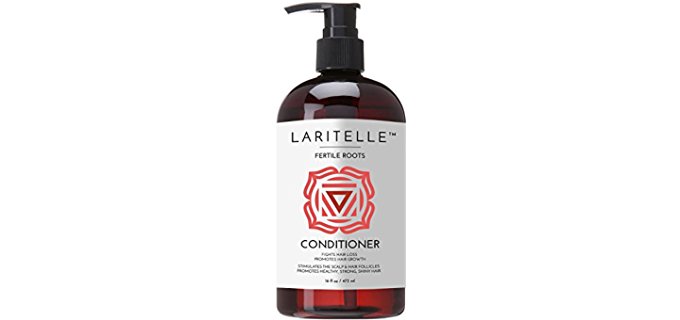
- Laritelle Organic Anti-Thinning Conditioner Fertile Roots 16 oz.
- Listing details: Sulfate-Free.
- No sulfates, alcohol, parabens, silicones, gluten, phthalates, or GMOs.
2
Avalon Organics® Anti-Dandruff Conditioner Medicated anti-dandruff conditioner, 14oz bottle


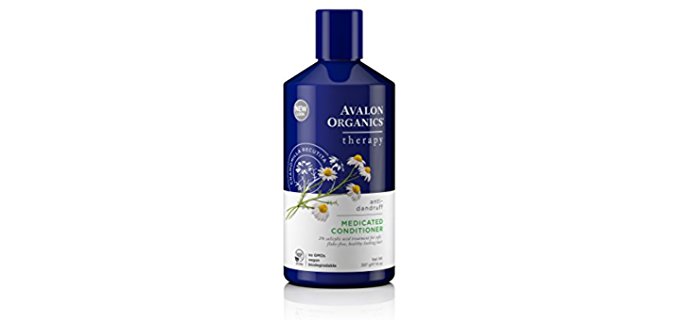
- Avalon Organics Therapy Medicated Anti-Dandruff Conditioner for Soft.
- Listing details: Flake-Free Hair; 14 Fluid Ounces.
- Includes tea tree oil, chamomile extract, vitamin E, aloe barbadensis leaf juice, and babassu oil.
3
Artnaturals® Argan Oil Conditioner Argan oil conditioner for dry hair

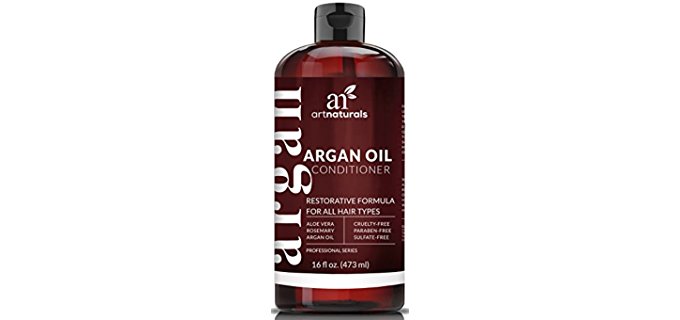
- Artnaturals Argan Oil Conditioner.
- Listing details: 16 fl oz; Deeply Conditions & Hydrates Dry; Damaged Hair with Argan Oil & Shea Butter.
4
ecoLove® Lavender Conditioner Vegan conditioner with organic lavender


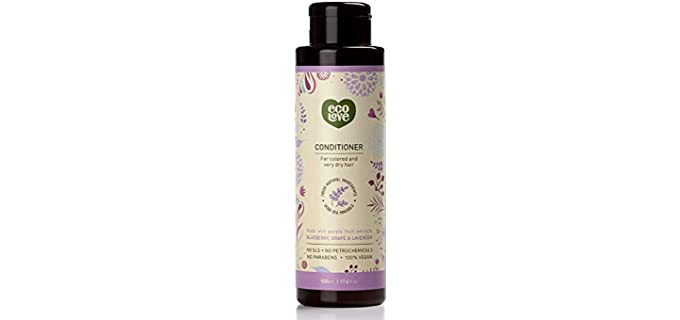
- ecoLove Vegan Conditioner with Organic Lavender Extract.
- Listing details: 17.6 oz.
- This purple collection conditioner is free from SLS, parabens and petrochemicals as well as eco-friendly and cruelty-free.
5
Innersense® Pure Inspiration Conditioner Volumizing conditioner for fine-medium hair

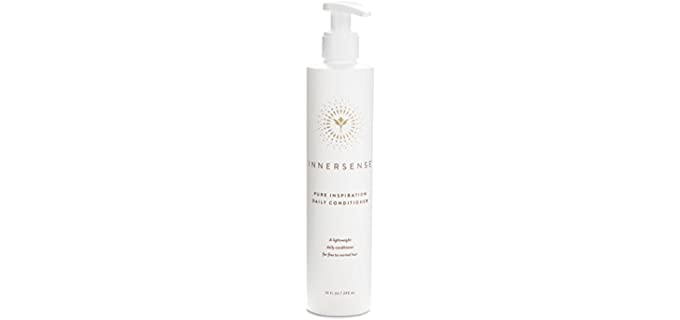
- Innersense Pure Inspiration Daily Volumizing Conditioner.
- Listing details: Fine-Medium Hair; Detangling & Softening; Sulfate-Free; 10 oz.
- This lightweight conditioner intensely moisturizes and hydrates the hair.
6
Tree To Tub® Moisturizing Conditioner Sulfate-free argan conditioner for dry hair


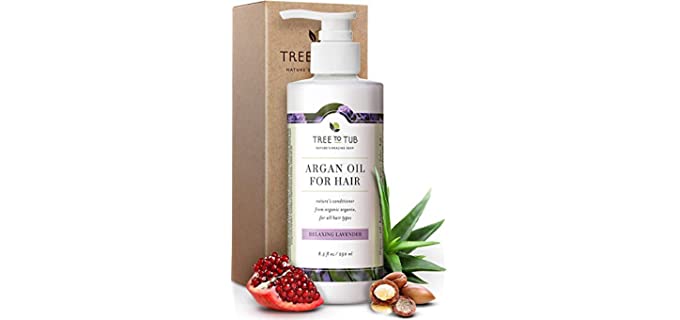
- Tree To Tub Moisturizing Conditioner for Dry Hair & Dry Scalp.
- Listing details: All Natural Lavender.
- Get a hair conditioner for dry hair that calms dry scalp too.
Index Table: Top Rated Organic Hair Conditioner
| No. | Product | Image | Features | Brand |
|---|---|---|---|---|
| 1 | Laritelle Fertile Roots Conditioner - Organic Ayurvedic conditioner, 16oz bottle |  |
| Laritelle |
| 2 | Avalon Organics Anti-Dandruff Conditioner - Medicated anti-dandruff conditioner, 14oz bottle |  |
| Avalon Organics |
| 3 | Artnaturals Argan Oil Conditioner - Argan oil conditioner for dry hair |  |
| Artnaturals |
| 4 | ecoLove Lavender Conditioner - Vegan conditioner with organic lavender |  |
| ecoLove |
| 5 | Innersense Pure Inspiration Conditioner - Volumizing conditioner for fine-medium hair |  |
| Innersense |
| 6 | Tree To Tub Moisturizing Conditioner - Sulfate-free argan conditioner for dry hair |  |
| Tree To Tub |
Sources
- U.S. Food and Drug Administration. Cosmetics Labeling Claims. Accessed October 16, 2026.
- American Academy of Dermatology. How to wash your face. Accessed October 16, 2026.
- U.S. Food and Drug Administration. “Organic” Cosmetics. Accessed October 16, 2026.
- U.S. Food and Drug Administration. “Hypoallergenic” Cosmetics. Accessed October 16, 2026.
- U.S. Food and Drug Administration. Is It a Cosmetic, a Drug, or Both? (Or Is It Soap?). Accessed October 16, 2026.
- U.S. Food and Drug Administration. Fragrances in Cosmetics. Accessed October 16, 2026.
- U.S. Food and Drug Administration. Parabens in Cosmetics. Accessed October 16, 2026.
- U.S. Food and Drug Administration. Phthalates in Cosmetics. Accessed October 16, 2026.
- U.S. Food and Drug Administration. Cosmetics Safety Q&A: Prohibited and restricted ingredients. Accessed October 16, 2026.
- U.S. Food and Drug Administration. Lead in Food and Foodwares. Accessed October 16, 2026.
- USDA Agricultural Marketing Service. Organic Labeling Standards. Accessed October 16, 2026.
- U.S. Consumer Product Safety Commission. Recalls. Accessed October 16, 2026.
Update History
- Oct 2026: Product picks reviewed and updated; added Sources (FDA, AAD, USDA AMS, CPSC)
- Jun 2020: Added Tree To Tub Moisturizing Conditioner
- Mar 2020: Added ecoLove Lavender Conditioner and Innersense Pure Inspiration Conditioner
- Jan 2018: First published
Views: 0