We may earn a commission from qualifying purchases. Product links on this page are affiliate links, at no extra cost to you; see our Affiliate Disclosure.
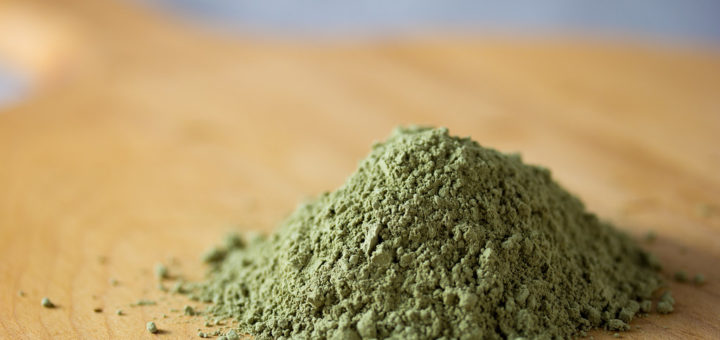
Matcha Powder is a ground form of tea leaves. They stand out for two main reasons, they are shade-grown, and veins and stems are removed before processing. Because you drink the whole ground leaf rather than a steeped infusion, some people prefer organic matcha, which is grown without most synthetic pesticides and fertilizers.[1] Below: how organic and conventional matcha compare, caffeine and contaminant tips, and five organic picks.Disclaimer: This article is general information, not medical or nutrition advice.
Key Specs Compared
Numbers match the reviews below (tap to jump).
| # | Form | Size | Stated certifications | Gluten-free |
|---|---|---|---|---|
| 1 | Powder (culinary) | 16 Ounce | USDA Organic | Yes |
| 2 | Powder (culinary) | 10 Ounce | USDA Organic | Yes |
| 3 | Powder (culinary) | 3.52 Ounce | USDA Organic (per listing) | Yes |
| 4 | Powder (culinary) | 1.06 Ounce | USDA Organic | Yes |
| 5 | Powder (ceremonial) | 1.5 Ounce | USDA Organic, Kosher | Yes |
– = not stated by the maker · Specs and certifications as stated by the listing, not tested or verified by us; check the listing before you buy
Matcha tips
Organic vs Conventional Matcha
- Color & Taste – The most visible difference between organic and conventional matcha is often color and taste.
- Green & Rich – Organic matcha is often a little less vivid green and can taste less rich than top conventional grades, since organic growers can’t use synthetic nitrogen fertilizers. Grade matters too: ceremonial grade is brighter and smoother, culinary grade is bolder and meant for lattes and baking.
Caffeine and What’s in the Leaf
- Caffeine – Matcha has more caffeine than steeped green tea because you consume the whole leaf. Jade Leaf, for example, says a half-teaspoon (1 g) serving has about 34 mg[4], and many lattes use two or more servings. Most adults should stay under 400 mg a day from all sources; ask your doctor about a limit if you’re pregnant.[2]
- Contaminants – Tea plants can take up lead and other metals from soil, and with matcha you swallow the leaf. Organic certification doesn’t test for metals, so look for brands that report third-party heavy-metal testing.
- Extracts vs. tea – Concentrated green tea extract supplements have been linked to liver injury; matcha as a drink is generally considered safe in normal amounts.[3]
What are the benefits of Matcha?
Organic foods are grown and processed under USDA rules that limit synthetic pesticides and fertilizers and prohibit GMOs and irradiation.[1] Research hasn’t shown that organic foods are significantly more nutritious than conventional foods, though they tend to have lower pesticide residues.[1][5] Health claims on food labels are regulated by the FDA, and only a few are authorized.[6]What the Research Says
NCCIH says green tea is safe in moderate amounts, but evidence for weight loss or disease prevention is limited.[3]How We Chose These Products
We don’t test products hands-on. We compared labels and listings: the USDA Organic seal [1], ingredients and added sugar, size, and price per ounce. All five picks carry the USDA Organic claim on their listings. On October 18, 2026 we searched FDA recall records for these brands [7][8] and found no recalls. Brands don’t pay to be included, though we may earn a commission from purchases.Our Organic Matcha Powder Picks
1
Matcha DNA® Organic Matcha Powder Organic matcha powder, 16oz tin


Currently unavailable
- You get 16 oz of organic matcha powder.
- Certifications include USDA Organic, and it is also vegan and gluten-free.[1]
- The ingredients include green tea, and it is unsweetened.
- It is additive-free, and it comes in a tin.
- Use it for smoothies, tea and sweetening.
2
Matcha DNA® Organic Matcha Powder Certified organic matcha powder, 10oz bag


Currently unavailable
- Matcha DNA Organic Matcha Powder is a certified organic matcha powder, and it comes in a 10 oz size.
- USDA Organic labeling is on the package, and it is vegan and gluten-free as well.
- It is unsweetened, made with green tea.
- It is additive-free.
- It is meant for smoothies, tea and sweetening.
3
Soar Organics® Culinary Matcha Culinary grade matcha green tea powder


Currently unavailable
- This is a culinary grade matcha green tea powder from Soar Organics, in a 3.52 oz size.
- It carries USDA Organic labeling and is also gluten-free.
- It is stone-ground and small-batch.
- It comes in a resealable pouch.
- It holds 80 servings.
4
Jade Leaf® Culinary Matcha Organic culinary grade matcha powder, 30g


Currently unavailable
- This is an organic culinary grade matcha powder from Jade Leaf, in a 30 g size.
- USDA Organic labeling is on the package, and it is vegan and gluten-free as well.[4]
- It comes in a resealable pouch.
- It is meant for baking, smoothies and tea.
5
Republic of Tea® Ceremonial Matcha Organic ceremonial matcha powder, 1.5oz tin


Currently unavailable
- You get 1.5 oz of organic ceremonial matcha powder.
- It carries USDA Organic labeling and is also gluten-free.
- It is stone-ground.
- It comes in a tin.
- It suits smoothies and coffee; the package measures 5.5 x 2.6 x 1.7 inches and weighs 0.1 pounds.
Index Table: Organic Matcha Powder Compared
| No. | Product | Image | Features | Brand |
|---|---|---|---|---|
| 1 | Matcha DNA Organic Matcha Powder - Organic matcha powder, 16oz tin |  |
| Matcha DNA |
| 2 | Matcha DNA Organic Matcha Powder - Certified organic matcha powder, 10oz bag |  | Matcha DNA | |
| 3 | Soar Organics Culinary Matcha - Culinary grade matcha green tea powder |  | Soar Organics | |
| 4 | Jade Leaf Culinary Matcha - Organic culinary grade matcha powder, 30g |  |
| Jade Leaf |
| 5 | Republic of Tea Ceremonial Matcha - Organic ceremonial matcha powder, 1.5oz tin |  |
| Republic of Tea |
Sources
- USDA Agricultural Marketing Service. Organic Labeling Standards. Accessed October 16, 2026.
- U.S. Food and Drug Administration. Spilling the Beans: How Much Caffeine is Too Much?. Accessed October 16, 2026.
- NCCIH. Green Tea. Accessed October 16, 2026.
- Online store. Jade Leaf Matcha Powder, Organic Culinary Grade, 30g (product listing). Accessed October 18, 2026.
- Dietary Guidelines for Americans, 2020-2025. Dietary Guidelines for Americans, 2020-2025. Accessed October 16, 2026.
- U.S. Food and Drug Administration. Label Claims for Conventional Foods and Dietary Supplements. Accessed October 16, 2026.
- U.S. Food and Drug Administration. Recalls, Market Withdrawals, & Safety Alerts. Accessed October 16, 2026.
- U.S. Food and Drug Administration, openFDA. Food Recall Enforcement Reports (searched October 18, 2026). Accessed October 18, 2026.
Update History
- Oct 2026: No products removed (all five listings claim USDA Organic); ‘inorganic’ changed to ‘conventional’; filled the empty ‘harmful’ section with caffeine, contaminant and extract notes; fixed the Matcha DNA tin size (16 oz, not 10 oz) and the 10 oz bag (unsweetened, not sweetened); Republic of Tea grade corrected to ceremonial; noted Matcha DNA is grown in China; Key Specs updated; Sources (FDA, NIH NCCIH, USDA AMS, Dietary Guidelines, Jade Leaf listing, openFDA)
- Jun 2021: Added Matcha DNA Organic Matcha Powder
- Apr 2021: First published