We may earn a commission from qualifying purchases. Product links on this page are affiliate links, at no extra cost to you; see our Affiliate Disclosure.
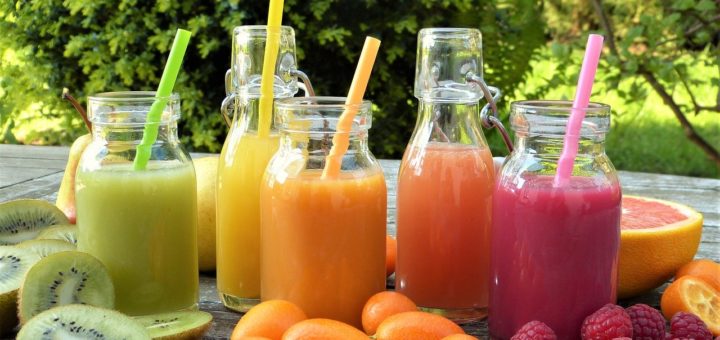
A juice cleanse swaps your usual food for juice or juice-like drinks for a few days. The pitch is to give your digestive system a break and remove toxins, but NCCIH says there is no compelling research that detox diets remove toxins from the body. We looked for juices that are organic, suitable for vegans and vegetarians, and free of fillers and added sugar. This guide covers what the research says, who should avoid cleanses, how to check juice safety, and two organic picks.General information, not medical advice. Talk to your doctor or pharmacist before you try a cleanse, especially if you are pregnant, have a health condition, take medicine or are buying for a child.
Key Specs Compared
Numbers match the reviews below (tap to jump).
| # | Form | Size | Stated certifications | Gluten-free |
|---|---|---|---|---|
| 1 | Juice | 4 Fl Oz (Pack of 8) | USDA Organic, Non-GMO | Yes |
| 2 | Powder | 0.54 Ounce (Pack of 3) | USDA Organic, Non-GMO, Kosher | Yes |
– = not stated by the maker · Specs and certifications as stated by the listing, not tested or verified by us; check the listing before you buy
Juice cleanse safety
- Juices that have not been pasteurized or treated to kill harmful bacteria can make people sick, and the illness can be serious in children, older adults, pregnant women and people with weakened immune systems.[1][2]
- Some juices are made from foods high in oxalate, including leafy greens and beets, and people prone to kidney stones should limit them.[1][3]
- People with diabetes should follow the eating plan their health care provider recommends.[1]
What the Research Says About Cleanses
- The Studies – Only a small number of studies of detox programs in people exist, and while some had positive results on weight, insulin resistance and blood pressure, they were low quality, with design problems and few participants.[1]
- Detox Claims – A 2015 review found no compelling research to support detox diets for weight management or for eliminating toxins from the body.[1]
- Weight – A 2017 review said juicing and detox diets cause initial weight loss because of low calorie intake, but people tend to gain the weight back once they resume a normal diet.[1]
- Long Term – No studies have looked at the long-term effects of detox programs.[1]
Juice Safety
- Raw Juice – When fruits and vegetables are fresh-squeezed or used raw, bacteria from the produce can end up in the juice, and unless the produce or juice has been pasteurized or otherwise treated, it could be contaminated.[2]
- Who Is at Risk – Children, older adults, pregnant women and people with weakened immune systems, including those with cancer or diabetes, risk serious illness or death from untreated juice.[2]
- Warning Label – Packaged juice that has not been pasteurized or treated must carry a warning that says it has not been pasteurized and may contain harmful bacteria. The FDA does not require the label on juice sold by the glass.[2]
- Treated Juice – Most juice sold in the United States is pasteurized, and juice may also be treated by non-heat processes, so check the label for the treatment or the warning.[2]
Who Should Be Careful
- Kidney Stones – Foods very high in oxalate include spinach, Swiss chard, beets and navy beans, and the National Kidney Foundation names juice or smoothie cleanses made with high-oxalate ingredients as a source of very high oxalate.[3]
- Diabetes – Follow the eating plan your health care provider recommends rather than a cleanse.[1]
- Sugar – The Nutrition Facts label shows added sugars, and the FDA counts sugars from concentrated fruit or vegetable juices as added sugars, so check the grams per serving.[4]
What to Check on a Juice Cleanse
- Organic Seal – A product can carry the USDA organic seal only if it is certified, and a product that is not certified can name only its certified organic ingredients as organic on the information panel.[5]
- Pasteurized or Treated – Pick pasteurized or otherwise treated juice, especially if you are pregnant, older, buying for a child or have a weak immune system.[2]
- What Is Inside the Pack – Some cleanses are bottled juice and some are powders you mix with water. Check the form, the number of servings and the ingredient list.
What the Research Says
NCCIH says there is no compelling research that detox diets remove toxins or help weight management, and that weight lost on a juice cleanse tends to return.[1] The FDA says untreated juice can carry harmful bacteria that cause serious illness in children, pregnant women, older adults and people with weakened immune systems.[2]How We Chose These Products
We do not test products. We compare product details: ingredients, stated certifications, size and price per ounce.[5] Brands don’t pay to be included, though we may earn a commission from purchases.Our Picks: Organic Juice Cleanses
We found two products that fit this guide, so this guide has two picks. With every purchase through the links on this page, we may earn a commission, at no extra cost to you.1
O2 Living® Green Vitality Juice Organic cold-pressed green juice drink


Currently unavailable
- O2 Living Green Vitality Organic Juice is an 8-pack of 4 fl oz cold-pressed bottles, 32 fl oz in all, with no added sugar or water.
- It is USDA Organic and non-GMO, made with fruits and vegetables and without artificial preservatives, and it is made in the USA.
- It is a drink pack with no cleanse schedule, and the product text does not say whether the juice is pasteurized or treated, so check the bottle for the treatment or the FDA warning.
2
Smart Pressed® 3-Day Juice Cleanse Organic 3-day cleanse powder program, 3 packets


Currently unavailable
- Smart Pressed 3-Day Organic Juice Cleanse is a powder program in 0.54 oz packets that you mix with water, with vegan vanilla protein, greens, beets and pineapple chia.
- It is USDA Organic, non-GMO, vegan, kosher, soy-free and gluten-free, with plant enzymes, vegan probiotics and no added sugar.
- It is a powder cleanse, not a bottled juice, so the juice safety points above apply to the other pick.
Index Table: Organic Juice Cleanses
| No. | Product | Image | Features | Brand |
|---|---|---|---|---|
| 1 | O2 Living Green Vitality Juice - Organic cold-pressed green juice drink |  |
| O2 Living |
| 2 | Smart Pressed 3-Day Juice Cleanse - Organic 3-day cleanse powder program, 3 packets |  |
| Smart Pressed |
Sources
- NIH National Center for Complementary and Integrative Health. “Detoxes” and “Cleanses”: What You Need To Know. Accessed October 27, 2026.
- U.S. Food and Drug Administration. What You Need to Know About Juice Safety. Accessed October 27, 2026.
- National Kidney Foundation. Calcium Kidney Stones. Accessed October 27, 2026.
- U.S. Food and Drug Administration. Added Sugars on the Nutrition Facts Label. Accessed October 27, 2026.
- USDA Agricultural Marketing Service. Organic Labeling Standards. Accessed October 27, 2026.
Update History
- Oct 2026: Rewrote the guide text and product notes around the NCCIH detox fact sheet, FDA juice safety guidance, National Kidney Foundation oxalate information and the FDA added sugars page, added what the research says, juice safety and who should be careful, corrected the Smart Pressed product description (a powder program, not bottled juice), removed unsupported claims, and replaced the sources (NIH NCCIH, FDA, National Kidney Foundation, USDA)
- Oct 2026: Removed Cleanse On The Go, Country Farms Super Cleanse and Raw Fountain (no organic claim on their product texts); corrected raw-juice, HPP and dairy advice; added kidney-stone caution
- Jun 2020: Added Country Farms Super Juice Blend Concentrate
- Dec 2019: First published