As an Amazon Associate I earn from qualifying purchases. Product links on this page are affiliate links, at no extra cost to you; see our Affiliate Disclosure.
Diaper rash is common skin irritation from wetness, stool, friction and sometimes yeast. A thick barrier cream at each change helps protect irritated skin. This guide covers what causes diaper rash, when to call your pediatrician, what is in barrier creams and what “organic” means on one, and seven organic and plant-based diaper creams.General information, not medical advice. Ask your pediatrician about rashes, skin problems or any product for a baby under 6 months.

Key Specs Compared
Numbers match the reviews below (tap to jump).
| # | Form | Size | Stated certifications | Fragrance |
|---|---|---|---|---|
| 1 | Cream | 8 Fl Oz | EWG Verified | Unscented |
| 2 | Cream | 2.5 Ounce | Not stated | Unscented |
| 3 | Balm | 2 Ounce | USDA Organic | Unscented |
| 4 | Balm | 2 Fl Oz | USDA Organic, Non-GMO, Leaping Bunny | Not stated |
| 5 | Balm | 4 Fl Oz | USDA Organic (Oregon Tilth), EWG Verified | No artificial fragrance |
| 6 | Cream | 2.9 Fl Oz | USDA Organic | Fragrance-free |
| 7 | Cream | 2.8 Ounce | NATRUE | No synthetic fragrance |
– = not stated on the Amazon listing · Specs and certifications as stated by the listing, not tested or verified by us; check the listing before you buy
When to call your pediatrician about diaper rash
- The rash does not go away, gets worse, or does not improve in 2 to 3 days.[1][2]
- Call if there are blisters, open sores, pus-filled sores or a fever, or if your baby is fussier than usual.[1][2]
- A red, slightly raised rash with small red dots spreading beyond the main rash can be a yeast rash, which needs an antifungal medicine.[1][2]
- Do not use talcum powder, because it can get into your baby’s lungs.[2]
What Causes Diaper Rash?
- Moisture and Rubbing – A diaper left on too long, and stool or the diaper itself rubbing against the skin, irritate it.[1]
- Infection – Pee changes the skin’s pH, and the warm, moist space under a diaper lets bacteria and fungi grow.[1]
- Allergies and Irritants – Detergent, soap, diapers, diaper dyes and baby wipes can irritate sensitive skin.[1]
- New Foods and Diarrhea – Starting new foods can change the stool, and diarrhea can make an existing rash worse.[1]
- Yeast – A rash that lasts more than a few days even with changes to the routine can be caused by Candida, and antibiotics given to a baby or breastfeeding mother can trigger it.[1]
What to Do for Diaper Rash
- Change Often – Change a wet or soiled diaper as soon as possible, ideally about every 2 hours and after every poop.[1]
- Clean Gently – Clean with water or soap and water, pat the skin dry or let it air-dry, and avoid wipes with alcohol or perfume.[1][2]
- Air Time – Some experts suggest letting your baby go without a diaper for several hours a day, and a loose diaper helps prevent chafing.[1]
- Barrier Cream – Creams and ointments with zinc oxide or petroleum soothe skin and protect it from moisture, and they go on thickly, like cake icing, at each change.[1]
- Cloth Diapers – Skip fabric softeners and dryer sheets, rinse well and use breathable covers rather than plastic or rubber pants.[1][2]
What Is in Diaper Rash Creams?
- Zinc Oxide – Zinc oxide creams help keep moisture away when applied to clean, dry skin.[2]
- Petrolatum – Petroleum jelly based products protect the skin the same way.[2]
- Plant Butters and Waxes – Balms made from cocoa butter, beeswax, shea butter and herbs form a barrier too, but the pediatric pages above name only zinc oxide and petroleum products as the proven barrier choices.[1][2]
- Not Every Baby Needs Cream – Diaper cream with each change can help some babies with sensitive skin, but not all babies need it.[1]
Organic on a Diaper Cream
- No FDA Definition – The FDA has no definition of “organic” for cosmetics, and a product can carry the USDA Organic seal only if its agricultural ingredients meet USDA standards.[3][5]
- Not Safer by Default – An ingredient’s source does not determine its safety, and many plants contain substances that are toxic or allergenic.[3]
- Fragrance – Some fragrance components cause allergic reactions, so the FDA suggests fragrance-free products if you are concerned.[4]
What the Research Says
Nemours KidsHealth says creams and ointments with zinc oxide or petroleum protect skin from moisture, and that diaper rash usually goes away in 2 to 3 days with home care.[1] MedlinePlus says the best treatment is to keep the skin clean and dry, and to ask your provider which cream is best.[2] The FDA says organic ingredients are not safer simply because of their source.[3]How We Chose These Products
We do not test products. We compare product details: ingredients, fragrance, stated certifications, size and price per ounce.[5] Brands don’t pay to be included, though we may earn a commission from purchases.Our Picks: Organic Diaper Rash Creams
We found seven creams and balms, so this guide has seven picks. With every purchase through the links on this page, we may earn a commission, at no extra cost to you.1
NOLEO® 3-in-1 Diaper Care Organic diaper cream, cleanser and lotion


- NOLEO 3-in-1 Diaper Care is an 8 fl oz bottle that cleans, moisturizes and protects the diaper area in one product, made with limewater, sunflower oil, olive oil and beeswax.
- It is unscented and EWG Verified.
- It is a cleanser, lotion and cream in one, so check the ingredients for a zinc oxide or petroleum barrier if you want one.
2
The Honest Company® Diaper Rash Cream Zinc oxide diaper cream, plant-based ingredients


- The Honest Company Diaper Rash Cream is a 2.5 oz zinc oxide cream with a plant-based blend.
- It is hypoallergenic, cruelty-free and made without synthetic fragrance, petrolatum, lanolin and parabens.
- Zinc oxide is one of the two barrier ingredients named by the pediatric sources above.
3
Era Organics® Organic Diaper Balm USDA Organic multipurpose baby barrier balm


- Era Organics Organic Diaper Balm is a 2 oz USDA Organic baby balm made with cocoa butter, coconut oil and beeswax.
- It is hypoallergenic, and it is made without parabens, phthalates or synthetic fragrance.
- It has no zinc oxide or petroleum, so it is a plant butter barrier rather than the products the pediatric pages name.
4
Motherlove® Herbal Diaper Balm Zinc-free organic herbal diaper balm


- Motherlove Diaper Balm is a 2 fl oz zinc oxide and petroleum-free balm made with olive oil, Oregon grape root, myrrh gum, yarrow and calendula.
- It is USDA Organic, non-GMO and Leaping Bunny certified, and it is safe for cloth diapers.
- It is a herbal balm, not a zinc oxide or petroleum cream, so ask your pediatrician if the rash is stubborn.
5
Earth Mama® Organic Diaper Balm Calendula diaper balm in 4 ounces


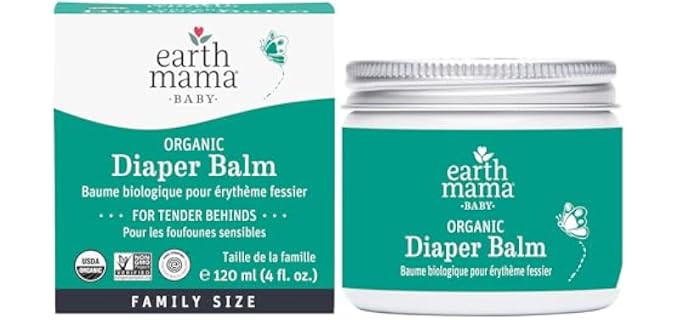
- Earth Mama Organic Diaper Balm is a 4 fl oz calendula balm without zinc, petroleum, preservatives or artificial fragrance.
- It is certified organic by Oregon Tilth and EWG Verified, and it is cloth-diaper friendly.
- It is a herbal balm, not a zinc oxide or petroleum cream, and it contains essential oils, so patch-test a small area first.
6
Badger® Zinc Diaper Cream Zinc oxide cream with organic oils


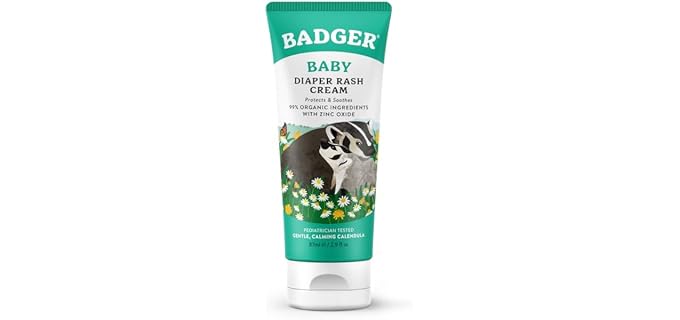
- Badger Baby Diaper Rash Cream is a 2.9 fl oz fragrance-free zinc oxide cream made with organic sunflower oil, beeswax and vitamin E.
- It is made with only four ingredients, and it is hypoallergenic.
- Zinc oxide is one of the two barrier ingredients named by the pediatric sources above.
7
Weleda® Calendula Diaper Cream Zinc oxide diaper cream with calendula


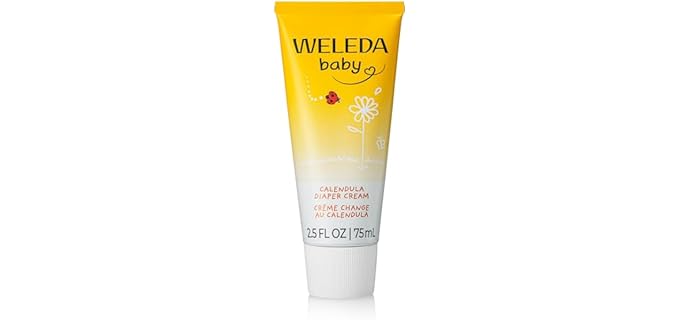
- Weleda Calendula Diaper Cream is a 2.8 oz tube of zinc oxide and lanolin cream with calendula, chamomile, sweet almond oil and sesame oil.
- It is certified natural by NATRUE and made without synthetic fragrance.
- It contains lanolin and sweet almond oil, so skip it if your baby is sensitive to either.
Index Table: Organic Diaper Rash Creams Compared
| No. | Product | Image | Features | Brand |
|---|---|---|---|---|
| 1 | NOLEO 3-in-1 Diaper Care - Organic diaper cream, cleanser and lotion |  |
| NOLEO |
| 2 | The Honest Company Diaper Rash Cream - Zinc oxide diaper cream, plant-based ingredients |  |
| The Honest Company |
| 3 | Era Organics Organic Diaper Balm - USDA Organic multipurpose baby barrier balm |  |
| Era Organics |
| 4 | Motherlove Herbal Diaper Balm - Zinc-free organic herbal diaper balm |  |
| Motherlove |
| 5 | Earth Mama Organic Diaper Balm - Calendula diaper balm in 4 ounces |  |
| Earth Mama |
| 6 | Badger Zinc Diaper Cream - Zinc oxide cream with organic oils |  |
| Badger |
| 7 | Weleda Calendula Diaper Cream - Zinc oxide diaper cream with calendula |  |
| Weleda |
Sources
- Nemours KidsHealth. Diaper Rash. Accessed October 27, 2026.
- MedlinePlus. Diaper rash. Accessed October 27, 2026.
- U.S. Food and Drug Administration. “Organic” Cosmetics. Accessed October 27, 2026.
- U.S. Food and Drug Administration. Fragrances in Cosmetics. Accessed October 27, 2026.
- USDA Agricultural Marketing Service. Organic Labeling Standards. Accessed October 27, 2026.
Update History
- Oct 2026: Rewrote the guide text and product notes around Nemours KidsHealth, MedlinePlus and the FDA cosmetics pages, added what causes diaper rash, what to do, when to call the doctor and which ingredients form a barrier, removed unsupported claims and the incorrect zinc oxide percentage, and replaced the sources (Nemours KidsHealth, MedlinePlus, FDA, USDA)
- Oct 2026: Product picks reviewed; no products removed; filled Key Specs certifications and fragrance for each product
- Jun 2019: First published