As an Amazon Associate I earn from qualifying purchases. Product links on this page are affiliate links, at no extra cost to you; see our Affiliate Disclosure.
If you are looking for the right organic rice cereal for your infant, then you have landed on the right page! In this buyer’s guide, we cover the basics of all you need to know about organic baby cereals, why it’s a good idea to offer more grains than rice, and what to look for on the label.Disclaimer: This article is for general information and is not medical advice. Ask your pediatrician when and how to start solid foods.
Key Specs Compared
Numbers match the reviews below (tap to jump).
| # | Form | Size | Stated certifications |
|---|---|---|---|
| 1 | Whole | 8 Ounce (Pack of 12) | USDA Organic, Non-GMO |
| 2 | Whole | 8 Ounce (Pack of 12) | USDA Organic, Non-GMO |
| 3 | Whole | 8 Ounce | Not stated |
| 4 | Whole | 8 Ounce (Pack of 5) | Not stated |
| 5 | Not stated | 8 Ounce (Pack of 5) | Non-GMO |
– = not stated on the Amazon listing · Specs and certifications as stated by the listing, not tested or verified by us; check the listing before you buy
Baby cereal safety basics
- Most babies are ready for solid foods around 6 months, not before 4 months. Signs of readiness include good head control and sitting with support.[2]
- Rice cereal is not required as a first food. Rice can contain inorganic arsenic, so the FDA advises offering a variety of grains such as oat, barley and multigrain cereal.[1][3]
- Iron-fortified cereals are a useful source of iron for babies.[2]
- Organic rice is not lower in arsenic than conventional rice; arsenic comes from soil and water.[3]
- Feed cereal with a spoon. Don’t add it to a bottle unless your pediatrician tells you to.[2]
All You Need To Know About Introducing Baby Cereal to Your Baby
Here are some tips and pointers for first-time mothers who need an introduction to baby cereals and weaning a baby onto eating solids:- When Should I Start My Baby on Baby Cereal? Most babies are ready to start solid foods around 6 months of age, and not before 4 months.[2] Until then, breast milk or infant formula provides all the nutrition your baby needs.
- What Does One Need To Make Baby Cereal? Baby cereals are traditionally made using any milk the baby is accustomed to or water. In the beginning, a warm watery porridge or cereal should be administered to your child to help slowly introduce solids. Check the temperature on your wrist to ensure it’s not too hot! As the child grows, slowly increase the ratio of cereal to liquid in the mixture. Mix cereal with breast milk, infant formula or water. Don’t use cow’s milk or plant milks such as almond milk as your baby’s drink before 12 months.[4]
- How Do I Introduce New Solid Foods To My Baby? Eventually, your baby will be weaned onto a larger variety of solid foods. When you begin to thicken the porridge up a bit, you can add pureed fruits or vegetables into the baby cereal.
Why is Organic Rice Cereal the Best Cereal for My Infant?
Rice cereal has long been a traditional first food, but it doesn’t have to be first. Rice tends to absorb more inorganic arsenic from soil and water than other grains, and the FDA has set an action level for inorganic arsenic in infant rice cereal (100 parts per billion).[1] The FDA advises parents to feed babies a variety of foods, including iron-fortified oat, barley and multigrain cereals, rather than relying on rice alone.[3][5] Organic certification tells you how the grain was grown, without most synthetic pesticides; it doesn’t lower arsenic levels.[6][3] Wheat and oats are fine first foods for most babies, and current advice is not to delay common allergens without a medical reason.[2]Features of a Good Organic Rice Cereal for Babies
When you compare infant cereals, check these points:- Certified organic – Look for the USDA Organic seal if organic matters to you.[6]
- Iron-fortified – Most infant cereals have added iron, which babies need from about 6 months.[2]
- Single grain to start – Single-grain cereals make it easier to spot a reaction to a new food.[2]
- Vary the grains – Rotate oat, barley, multigrain and rice cereals rather than serving only rice.[1]
- Short ingredient list – Plain infant cereal shouldn’t need added sugar or flavors.[7]
What the Research Says
The American Academy of Pediatrics recommends starting solids at about 6 months, alongside breast milk or formula, and there is no medical reason the first food has to be rice cereal.[2] Rice is a bigger source of inorganic arsenic than other grains, so the FDA set a limit for infant rice cereal and recommends offering a mix of grains.[1][3] The FDA’s Closer to Zero program is working to lower lead, arsenic, cadmium and mercury in foods eaten by babies and young children.[5]How We Chose These Products
We don’t test products hands-on. We compared labels and listings: the USDA Organic seal [6], whether the cereal is iron-fortified and made for infants, the grain (we favored oat and multigrain over rice-only), added sugar, and price. We removed products that were out of stock, no longer listed or recalled, and we checked the brands we list against recent FDA [8] recall notices in October 2026. Brands don’t pay to be included, though we may earn a commission from purchases.Our Picks: Organic Rice Cereal for Baby
1
Earth's Best® Organic Oatmeal Cereal Iron-fortified whole grain infant oatmeal cereal


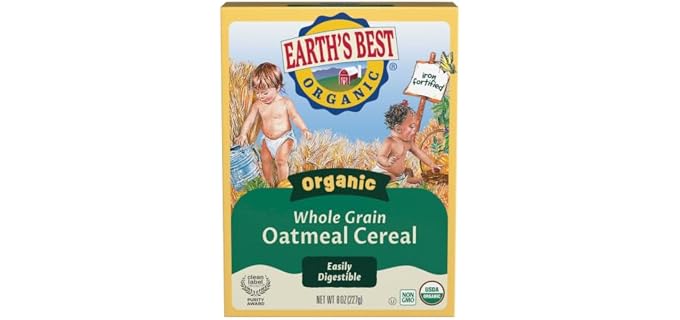
- A whole grain oatmeal infant cereal for babies 4 months and up.
- Made with organic oats and fortified with iron.
- Mix with breast milk, formula or water.
2
Earth's Best® Organic Multi-Grain Cereal Iron-fortified multigrain infant cereal from oats


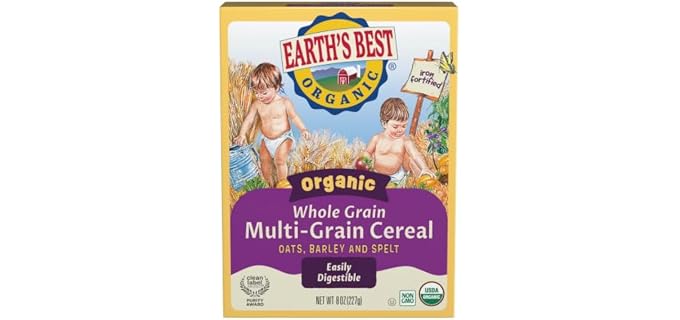
- A multigrain infant cereal for babies 4 months and up.
- Made with organic whole grains and fortified with iron.
- A good way to rotate grains instead of using only rice.
3
Holle® Organic Oat Cereal Wholegrain oat cereal for babies 6+


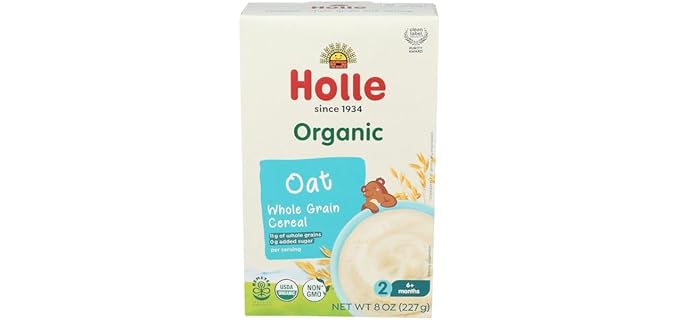
- A wholegrain oat cereal for babies 6 months and up.
- One 8-ounce box made with organic oats.
- Check the label for iron; not every Holle cereal is iron-fortified.
4
Gerber® Organic Oatmeal Cereal Stage 1 organic oatmeal infant cereal


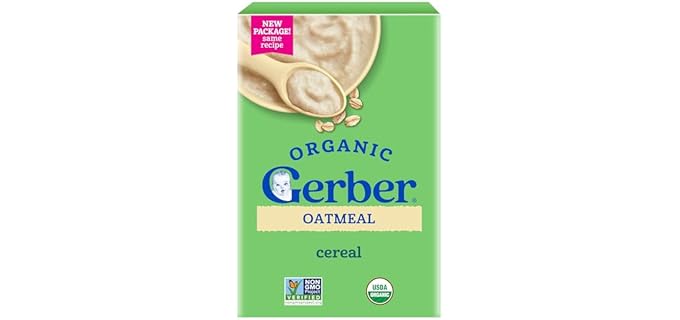
- A Stage 1 organic oatmeal infant cereal.
- Sold as a pack of five 8-ounce containers.
- Made with whole grains.
5
Gerber® Stage 1 Rice Non-GMO single-grain rice infant cereal


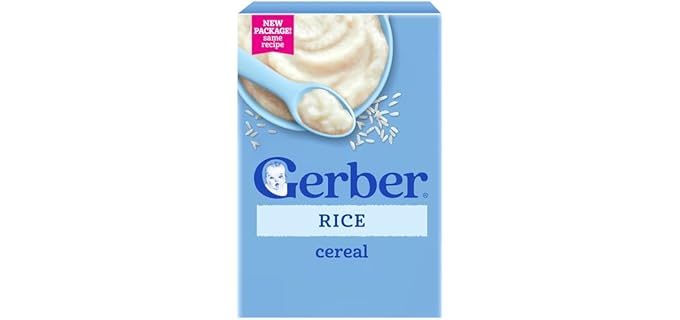
- A Stage 1 single-grain rice cereal for babies.
- It is non-GMO but not certified organic.
- If you use rice cereal, rotate it with oat and multigrain cereals.[1]
Index Table: Top Organic Rice Cereals for Babies
| No. | Product | Image | Features | Brand |
|---|---|---|---|---|
| 1 | Earth's Best Organic Oatmeal Cereal - Iron-fortified whole grain infant oatmeal cereal |  |
| Earth's Best |
| 2 | Earth's Best Organic Multi-Grain Cereal - Iron-fortified multigrain infant cereal from oats |  |
| Earth's Best |
| 3 | Holle Organic Oat Cereal - Wholegrain oat cereal for babies 6+ |  |
| Holle |
| 4 | Gerber Organic Oatmeal Cereal - Stage 1 organic oatmeal infant cereal |  |
| Gerber |
| 5 | Gerber Stage 1 Rice - Non-GMO single-grain rice infant cereal |  |
| Gerber |
Sources
- U.S. Food and Drug Administration. Guidance for Industry: Action Level for Inorganic Arsenic in Rice Cereals for Infants. Accessed October 16, 2026.
- HealthyChildren.org (AAP). Starting Solid Foods. Accessed October 16, 2026.
- U.S. Food and Drug Administration. Arsenic in Food. Accessed October 16, 2026.
- HealthyChildren.org (AAP). Recommended Drinks for Young Children Ages 0-5. Accessed October 16, 2026.
- U.S. Food and Drug Administration. Closer to Zero: Reducing Childhood Exposure to Contaminants from Foods. Accessed October 16, 2026.
- USDA Agricultural Marketing Service. Organic Labeling Standards. Accessed October 16, 2026.
- Dietary Guidelines for Americans, 2020-2025. Dietary Guidelines for Americans, 2020-2025. Accessed October 16, 2026.
- U.S. Food and Drug Administration. Recalls, Market Withdrawals, & Safety Alerts. Accessed October 16, 2026.
Update History
- Oct 2026: Product picks reviewed and updated; added Sources (FDA, HealthyChildren.org (AAP), USDA AMS, Dietary Guidelines for Americans)
- Mar 2021: First published
Views: 0