We may earn a commission from qualifying purchases. Product links on this page are affiliate links, at no extra cost to you; see our Affiliate Disclosure.
Tea tree oil is a popular essential oil for skin, hair and household use. Here’s what tea tree oil is, how to use it safely, and the certified organic tea tree oils we found online.Disclaimer: This article is general information, not medical or safety advice.

Key Specs Compared
Numbers match the reviews below (tap to jump).
| # | Form | Size | Stated certifications | Fragrance |
|---|---|---|---|---|
| 1 | Essential oil (undiluted) | 0.33 Fl Oz | USDA Organic, Non-GMO | Natural tea tree scent; no added fragrance |
| 2 | Essential oil (undiluted) | 2 Fl Oz | USDA Organic | Natural tea tree scent; no added fragrance |
| 3 | Essential oil (undiluted) | 4 Fl Oz | USDA Organic | Natural tea tree scent; no added fragrance |
– = not stated by the maker · Specs and certifications as stated by the listing, not tested or verified by us; check the listing before you buy
Essential oil safety
All About Organic Tea Tree Oil
The tea tree oil is the product of Melaleuca Alternifolia — a fast-growing tree native to Australia. In lab studies it has antimicrobial activity, and a small amount of evidence suggests topical tea tree oil might help acne and athlete’s foot, though more studies are needed.[4] Because it is highly concentrated, always dilute it in a carrier oil before it touches your skin; undiluted essential oils can irritate or burn skin.[5] Coconut oil, jojoba oil, and rosehip oil are excellent carrier oils of organic tea tree oil. Tea tree organic essential oil works well in your bathtub, in an aromatherapy diffuser, or even in skincare products. But for the sake of safe usage, you should know ‘when to use,’ ‘when to mix with a carrier oil,’ or ‘how to mix with other essential oils,’ etc. It is also a common ingredient in organic hairspray, shampoos, and conditioners. Don’t apply it to broken or irritated skin. Any skin type can use it once diluted, but some people develop redness or irritation, so patch test a small area first.[4] Palmarosa and geranium are two excellent essential oils that jell well with organic tea tree oil. Tea tree oil is not a treatment for sprains or other injuries. It should never be swallowed, and it is poisonous if ingested, so store it out of reach of children; several labels below also say to keep it away from pets.[4][5]Benefits of Using Organic Tea Tree Oil
- It is used in diluted form in cleansers and shampoos; for cuts and scrapes, wash with soap and water.
- It is sometimes added to DIY sprays, but it is not an EPA-registered insect repellent.
- Many people enjoy its scent in a diffuser, but there is little strong evidence that aromatherapy treats health conditions.[2]
- It is not moisturizing; tea tree oil tends to be drying, so pair diluted use with a moisturizer if your skin is dry.
Things To Look For in Tea Tree Oil
There are a lot of substandard tea tree essential oils on the market. Not to mention the ‘misleading’ marketing tactics and claims. To help you out, we’ve jotted down a few things you should consider when making a purchase.- Purity: Look for 100% Melaleuca alternifolia oil, and check the label for dilution directions.
- Organic: You’ll find a wide variety of different oils in the market, one of the top organic oils is organic evening primrose oil, but whatever it is, it should be organic.
- Budget: Organic tea tree oils come at a range of prices to suit all budget ranges. Remember, a high price isn’t a guarantee of supreme quality.
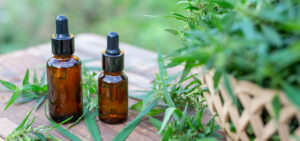
- Bottle Color and Overall Packaging: The packaging determines the overall potency of the tea tree oil because heat, light, and air affect the stability of essential oils. So, ensure you buy tea tree oil in dark brown glass bottles that are packaged airtight.
What the Research Says
NCCIH says there’s little strong evidence that aromatherapy treats health conditions.[2] The FDA regulates essential oils as cosmetics or drugs depending on the claims made.[1]How We Chose These Products
We don’t test products hands-on. We compared labels and listings: EPA registration where it applies, the ingredient list, scent or fragrance-free options, and price per use. We removed products that were out of stock, no longer listed or recalled, and we checked the brands we list against recent FDA [6] recall notices in October 2026. In our October 2026 review we removed ArtNaturals (no organic claim, currently unavailable) and NOW Foods (the linked listing makes no organic claim). Brands don’t pay to be included, though we may earn a commission from purchases.Our Organic Tea Tree Oil Picks
1
US Organic® Tea Tree Oil USDA Organic steam-distilled tea tree oil


Currently unavailable
- US Organic’s USDA Organic steam-distilled tea tree oil comes in a 10 ml size.
- Certifications include USDA Organic, and it is also non-GMO and cruelty-free.[7]
- It is unfiltered.
- It is additive-free.
- Sourced from South Africa.
2
Eve Hansen® Organic Tea Tree Pure Melaleuca alternifolia essential oil, 2oz


Currently unavailable
- Eve Hansen’s pure Melaleuca alternifolia essential oil comes in a 2 oz size.
- Certifications include USDA Organic, and it is also vegan and cruelty-free.[8]
- It is steam-distilled.
- It comes in an amber glass bottle.
- Bottled in the USA.
3
Pura D'or® Organic Tea Tree Organic tea tree essential oil, 4oz


Currently unavailable
- This is an organic tea tree essential oil from Pura D’or, in a 4 oz size.
- Look for USDA Organic on the package.[9]
- Made with argan oil and coconut oil.
- It comes with a dropper.
- Use it for hair, scalp, massage and diffusers.
Index Table: Organic Tea Tree Oil
| No. | Product | Image | Features | Brand |
|---|---|---|---|---|
| 1 | US Organic Tea Tree Oil - USDA Organic steam-distilled tea tree oil |  |
| US Organic |
| 2 | Eve Hansen Organic Tea Tree - Pure Melaleuca alternifolia essential oil, 2oz |  |
| Eve Hansen |
| 3 | Pura D'or Organic Tea Tree - Organic tea tree essential oil, 4oz |  |
| Pura D'or |
Sources
- U.S. Food and Drug Administration. Aromatherapy. Accessed October 16, 2026.
- NCCIH. Aromatherapy. Accessed October 16, 2026.
- U.S. Food and Drug Administration. Cosmetics Labeling Claims. Accessed October 16, 2026.
- NCCIH. Tea Tree Oil. Accessed October 17, 2026.
- Poison Control (National Capital Poison Center). Essential Oils: Poisonous when Misused. Accessed October 17, 2026.
- U.S. Food and Drug Administration. Recalls, Market Withdrawals, & Safety Alerts. Accessed October 16, 2026.
- USDA Agricultural Marketing Service. Organic Labeling Standards. Accessed October 16, 2026.
- Online store. Eve Hansen Organic Tea Tree Essential Oil (2oz) (product listing). Accessed October 17, 2026.
- Online store. PURA D’OR Organic Tea Tree Essential Oil, 4oz (product listing). Accessed October 17, 2026.
Update History
- Oct 2026: Removed ArtNaturals and NOW Foods (no organic claim on their listings); corrected dilution, skin-type and moisturizing claims; added safety notes; added Sources (FDA, NIH NCCIH, USDA, Poison Control, product listings)
- Aug 2021: First published