As an Amazon Associate I earn from qualifying purchases. Product links on this page are affiliate links, at no extra cost to you; see our Affiliate Disclosure.
Essential oils are all the rage these days. NCCIH says there’s little strong evidence that aromatherapy treats health conditions, and essential oils can irritate skin and are poisonous if swallowed.[1] Always dilute them, keep them away from children and pets, and never swallow them.[2] They come in all shapes and sizes. Finding the best quality oil is an essential aspect of using essential oils; however, knowing which essential oil fits your needs best is an altogether different matter. Continue to learn about the best essential oils available in the market and learn how to incorporate them into your life.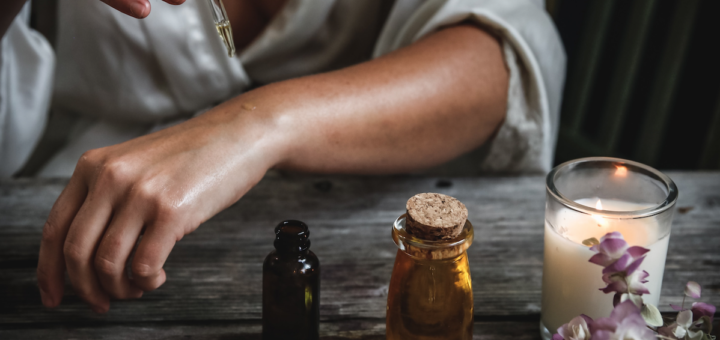
This article is general information, not medical or nutrition advice. Talk to your doctor or a registered dietitian about your own needs.
”Best
”
- Lavender – One of the most popular essential oils, lavender is known for its calming scent. Some small studies suggest lavender aromatherapy may help with anxiety or sleep, but the evidence is limited.[1] Use it in a diffuser, or spritz a diluted mist on your pillow. Lavender can irritate skin in some people.
- Tea Tree – Tea tree oil, also called melaleuca oil, comes from the leaves of the Australian tea tree. Some research suggests diluted tea tree oil may help mild acne, but it can cause skin irritation and allergic reactions and is toxic if swallowed.[1]
- Bergamot – Bergamot oil comes from the rind of the bergamot orange and has a fresh citrus scent. Bergamot can make skin more sensitive to sunlight, so avoid sun exposure after applying it.[3]
- Peppermint – Peppermint oil has a fresh minty scent and is popular in diffusers. Peppermint oil can irritate skin and shouldn’t be used on or near the faces of babies and young children.[1]
- Chamomile – Chamomile essential oil comes in Roman and German varieties and has a soft, sweet scent many people find relaxing. People allergic to ragweed or daisies may react to chamomile.[4]
- Jasmine – Jasmine essential oil has been used for centuries for its sweet, floral scent and is a popular perfume note. Its health claims aren’t backed by good research.[1]
- Eucalyptus – Eucalyptus oil has a strong, fresh scent. It is toxic if swallowed and shouldn’t be used on or near young children.[1] For insect protection, the CDC recommends EPA-registered oil of lemon eucalyptus products, which are different from eucalyptus essential oil.[5]
- Geranium – Geranium essential oil comes from a South African plant and has a rosy scent. It can be diffused or diluted in a carrier oil; patch-test first because it can irritate skin.[3]
- Ylang Ylang – Ylang ylang has a floral, slightly spicy scent that’s common in perfumes. Many people find it relaxing, but claims about pain, healing and libido aren’t backed by good research.[1]
- Patchouli – Patchouli comes from an Asian herb and has a deep, earthy scent used in perfumes and diffuser blends. Health claims for patchouli aren’t backed by good research.[1]
- Frankincense – Frankincense oil comes from the resin of the Boswellia tree and has a woody, spicy scent. Don’t swallow essential oils; dilute before applying to skin.[2]
- Lemon and Orange – Citrus oils like lemon and orange bring a fresh, bright scent to a room. Some citrus oils can make skin more sensitive to sunlight, so use them in a diffuser or avoid sun after applying diluted oil to skin.[3]
Sources
- NCCIH. Aromatherapy. Accessed October 16, 2026.
- U.S. Food and Drug Administration. Aromatherapy. Accessed October 16, 2026.
- U.S. Food and Drug Administration. Cosmetics Labeling Claims. Accessed October 16, 2026.
- NCCIH. Chamomile. Accessed October 16, 2026.
- CDC. Preventing Mosquito Bites. Accessed October 16, 2026.
Update History
- Oct 2026: Guide reviewed and updated; added Sources (NIH NCCIH, FDA, CDC)
- Mar 2021: First published
Views: 0
