As an Amazon Associate I earn from qualifying purchases. Product links on this page are affiliate links, at no extra cost to you; see our Affiliate Disclosure.
For anyone who loves honey, finding a good organic raw honey takes some label reading. Read on to learn what to look for in organic raw honey and to see our picks below. Honey is made by bees, so it isn’t vegan; if you avoid animal products, maple syrup or agave nectar are plant-based sweeteners you can use instead.Disclaimer: This article is for general information and is not medical advice. If you have diabetes, talk to your doctor about added sugars, including honey.

Key Specs Compared
Numbers match the reviews below (tap to jump).
| # | Form | Size | Stated certifications | Gluten-free |
|---|---|---|---|---|
| 1 | Honey | 47 Ounce (Pack of 2) | Certified organic | Not stated |
| 2 | Honey | 22 Ounce | USDA Organic, Non-GMO Project Verified, Kosher | Yes |
| 3 | Honey | 48 Ounce | USDA Organic, Non-GMO | Yes |
| 4 | Honey | 24 Ounce | USDA Organic | Not stated |
| 5 | Honey | 14 Ounce | USDA Organic | Yes |
– = not stated on the Amazon listing · Specs and certifications as stated by the listing, not tested or verified by us; check the listing before you buy
Honey safety
The Difference Between Raw Honey & Ordinary Honey
The difference between raw honey and the honey you find in most supermarkets is processing. Raw honey is strained but not heated or finely filtered, so it keeps more pollen, wax and enzymes and often crystallizes faster. Most commercial honey is heated and filtered to stay clear and pourable. There isn’t a legal definition of “raw” honey in the U.S., so check how the brand describes its processing.[5] Raw honey often looks cloudy and can turn thick and creamy over time; gently warming the jar will melt crystals. For honey to be certified organic, the hives and the plants the bees forage on must meet organic standards, which is why much organic honey comes from large wild areas such as Brazil.[6]Some of the Many Health Benefits of Raw Honey
Honey has been used for centuries as a food and folk remedy. Here’s what the research supports:- Cough in children: Studies suggest a small amount of honey may ease nighttime cough in children over 1 year old.[7]
- Wound care: Medical-grade honey dressings are used for some wounds, but this isn’t the same as using kitchen honey.
- Antioxidants: Darker honeys contain small amounts of antioxidants, but honey is mainly sugar.[4]
- Allergies and immunity: There isn’t good evidence that local or raw honey treats seasonal allergies or boosts immunity.
Organic Raw Honey Buying Considerations
- Container: Glass jars are easy to reuse and don’t hold odors. Food-grade plastic squeeze bottles are also safe for honey at room temperature.
- Heat: Raw honey hasn’t been heated much; store it at room temperature away from heat.
- Color and flavor: Color depends on the flowers. Lighter honeys (such as orange blossom) taste milder, and darker honeys (such as buckwheat or forest honey) taste stronger.
- Certification: Look for the USDA Organic seal.[6]
- Gluten-free: Pure honey has no wheat, barley or rye, so it is naturally gluten-free. FDA rules let naturally gluten-free foods carry a gluten-free label, so the label doesn’t make one pure honey different from another.[8]
What the Research Says
Honey can carry spores of Clostridium botulinum, which is why the CDC and AAP say no honey for babies under 12 months.[1][2] For older children and adults, honey is safe in moderation, but it’s an added sugar, and claims about immunity or allergies aren’t well supported.How We Chose These Products
We don’t test products hands-on. We compared labels and listings: the USDA Organic seal [6], how the honey is processed, flavor and floral source, and price per ounce. We removed products that were out of stock, no longer listed or recalled, and we checked the brands we list against recent FDA [9] recall notices in October 2026. We removed Wedderspoon Raw Manuka Honey 150+ MGO and Smiley Honey Orange Blossom because their listings don’t show an organic certification. Brands don’t pay to be included, though we may earn a commission from purchases.Our Organic Raw Honey Picks
Below are certified organic honeys we compared from their listings.1
Big Island Bees® Ohia Lehua Honey Organic raw Hawaiian honey, 2-pack


- This is an organic raw Hawaiian honey from Big Island Bees, in a 2-pack (47 oz each). The full pack adds up to 94 oz.
- It is certified organic.
- It is unfiltered.
- It is phthalate-free and BPA-free, and it comes in a glass bottle.
- Produced in Hawaii.
2
Madhava® Organic Honey Organic honey in a 22-ounce bottle


- You get 22 oz of organic honey in a 22-ounce bottle.
- It carries USDA Organic and Non-GMO Project Verified labeling and is also gluten-free.[10]
- It is unfiltered.
- It is BPA-free, and it comes in a jar.
- It suits tea and drinks.
3
Greenbow® Amazon Forest Honey Organic Amazon forest honey, 48 oz


- You get 48 oz of organic Amazon forest honey.
- USDA Organic and Halal labeling is on the package, and it is non-GMO and gluten-free as well.
- It is dye-free, and it comes in a jar.
- It carries the USDA Organic seal and says it is a product of Brazil.[11]
4
Kelley's® Organic Raw Honey USDA certified raw unfiltered honey jar


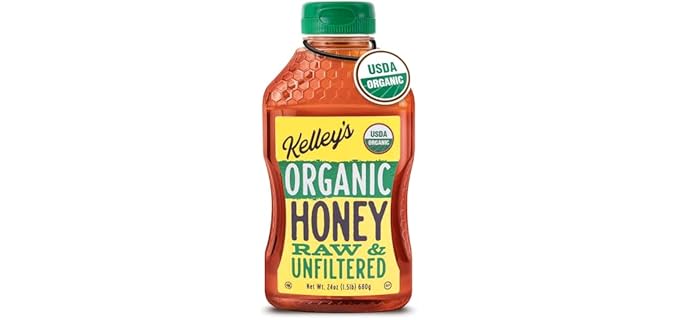
- Kelley’s USDA certified raw unfiltered honey jar comes in a 24 oz size.
- It carries USDA Organic labeling.
- It comes in a jar.
- It suits smoothies, coffee, tea and sweetening; the package measures 3 x 2 x 6.5 inches and weighs 1.6 pounds.
5
Honey In The Raw® Organic Raw Honey Organic raw unfiltered honey, 14 oz


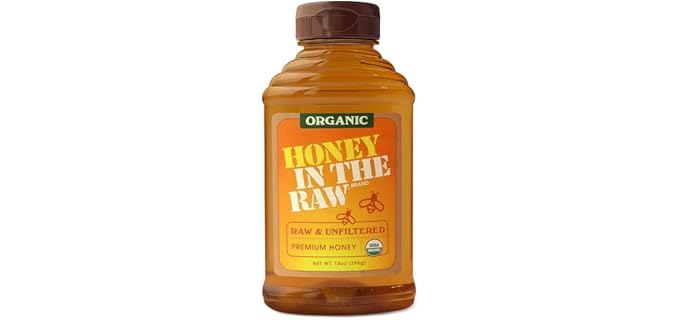
- You get 14 oz of organic raw unfiltered honey.
- Certifications and seals include USDA Organic.
- It is BPA-free and additive-free.
- It is meant for baking, smoothies, coffee and tea.
- Check the package label for the full ingredient list and allergen information before you buy.
Comparison Table: Organic Raw Honey
| No. | Product | Image | Features | Brand |
|---|---|---|---|---|
| 1 | Big Island Bees Ohia Lehua Honey - Organic raw Hawaiian honey, 2-pack |  |
| Big Island Bees |
| 2 | Madhava Organic Honey - Organic honey in a 22-ounce bottle |  |
| Madhava |
| 3 | Greenbow Amazon Forest Honey - Organic Amazon forest honey, 48 oz |  |
| Greenbow |
| 4 | Kelley's Organic Raw Honey - USDA certified raw unfiltered honey jar |  |
| Kelley's |
| 5 | Honey In The Raw Organic Raw Honey - Organic raw unfiltered honey, 14 oz |  |
| Honey In The Raw |
Sources
- CDC. Botulism: Prevention. Accessed October 16, 2026.
- HealthyChildren.org (AAP). Infant Botulism. Accessed October 16, 2026.
- U.S. Food and Drug Administration. Added Sugars on the Nutrition Facts Label. Accessed October 16, 2026.
- Dietary Guidelines for Americans, 2020-2025. Dietary Guidelines for Americans, 2020-2025. Accessed October 16, 2026.
- U.S. Food and Drug Administration. Proper Labeling of Honey and Honey Products. Accessed October 16, 2026.
- USDA Agricultural Marketing Service. Organic Labeling Standards. Accessed October 16, 2026.
- American Academy of Pediatrics (HealthyChildren.org). Coughs and Colds: Medicines or Home Remedies?. Accessed October 16, 2026.
- U.S. Food and Drug Administration. Gluten-Free Labeling of Foods. Accessed October 17, 2026.
- U.S. Food and Drug Administration. Recalls, Market Withdrawals, & Safety Alerts. Accessed October 16, 2026.
- Amazon. Madhava Natural Sweeteners Organic Honey, 22 oz (product listing). Accessed October 17, 2026.
- Amazon. Greenbow Organic Amazon Forest Honey, 48 oz (product listing). Accessed October 17, 2026.
Update History
- Oct 2026: Removed Wedderspoon Raw Manuka Honey and Smiley Honey Orange Blossom (no organic certification on listing); corrected “vegan honey” wording and added a gluten-free note; added Sources (CDC, HealthyChildren.org (AAP), FDA, Dietary Guidelines for Americans, USDA AMS, product listings)
- Aug 2021: Added Wedderspoon Raw Manuka Honey
- Apr 2020: Added Madhava Organic Honey and Greenbow Amazon Forest Honey
- Mar 2020: Added Smiley Honey Orange Blossom Honey and Big Island Bees Ohia Lehua Honey
- Mar 2017: First published
Views: 0


