As an Amazon Associate I earn from qualifying purchases. Product links on this page are affiliate links, at no extra cost to you; see our Affiliate Disclosure.
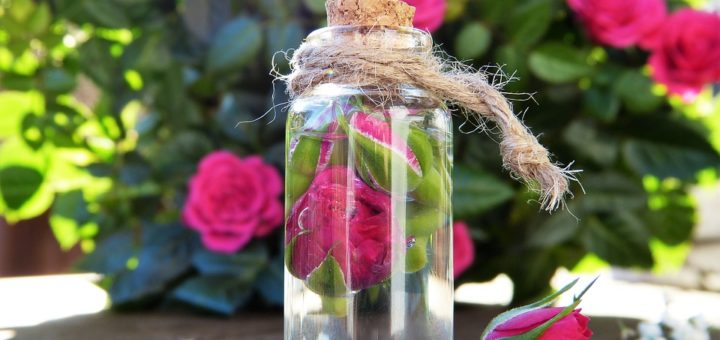
Roses are woody, perpetually flowering plants of the Genus ‘Rosa’ in the family ‘Rosaceae.’ There are hundreds of Species of Roses and just as many uses. Rose Water comes from mixing Water and Roses. It has numerous culinary and medicinal uses. There are many different techniques for making rosewater. Read on to find out all there is to know about Rose Water and the best Organic Rose Water options available.Disclaimer: This article is general information, not medical advice. Patch-test new skin and hair products, and see a dermatologist for persistent skin problems.
Key Specs Compared
Numbers match the reviews below (tap to jump).
| # | Form | Size | Stated certifications |
|---|---|---|---|
| 1 | Oil | 8 Fl Oz | Not stated |
| 2 | Spray | 4 Fl Oz | USDA Organic |
| 3 | Not stated | 4 Fl Oz | Not stated |
| 4 | Spray | 4 Ounce | Not stated |
| 5 | Spray | 4 Fl Oz | Not stated |
| 6 | Oil | 4 Fl Oz | USDA Organic |
– = not stated on the Amazon listing · Specs and certifications as stated by the listing, not tested or verified by us; check the listing before you buy
Skin product safety
Different Ways of Making Rose Water
- Simmering Method – This is the easiest and quickest way of getting Rose Water. This type of Rose Water comes from simmering rose petals (dried or fresh) in distilled water for a while until the petals lose their color. Doing this results in fragrant, rose-colored water. It does not have a long shelf life.
- Steam-Distilling Method – This type of Rose Water is the more traditional option. It comes from steaming rose petals with distilled water. The resultant rosewater is clear, has a longer shelf life, and has more enriched benefits than the simmered rosewater.
- Crushing Method – In this method, half of the rose petals are crushed to extract the juice. After letting it sit for a while, they are simmered in distilled water with the remaining petals. This type of Rose-water has better coloring and added benefits from the juice.
Benefits of Rose Water
Organic and natural personal care products use more plant-based ingredients, and some carry the USDA Organic seal for their agricultural ingredients.[3] Many people prefer them for sustainability or ingredient preferences. But “organic” doesn’t mean hypoallergenic or safer for every skin type, and the FDA doesn’t define “natural” for cosmetics.[1][4] Cosmetics can’t legally claim to treat skin conditions like acne or eczema; products that do are regulated as drugs.[5]Uses of Rose Water
Some common ways to use rosewater in everyday life are mentioned below.- As a Facial Toner – Rosewater balances the skins’ pH, unclogs pores, removes excess oil from the face without drying.
- To Moisturize Hair – Rosewater can moisturize and hydrate split-ends and the scalp. It also works well to protect the hair from heat damage.
- In Sweet Dishes – Rosewater is added in Desserts and Sweet beverages to add depth of flavor and fragrance.
What the Research Says
The FDA doesn’t define “organic” or “natural” for cosmetics; a product can carry the USDA Organic seal only if its agricultural ingredients meet USDA standards.[3][1] Plant ingredients can still cause allergic reactions, and fragrance is a common cause of skin irritation.[6] Cosmetics can’t legally claim to treat or cure skin conditions; products that do are regulated as drugs.[5]How We Chose These Products
We don’t test products hands-on. We compared labels and listings: ingredients and fragrance, what any organic claim covers (USDA seal or third-party certification) [7], skin type, and price per ounce. We removed products that were out of stock, no longer listed or recalled, and we checked the brands we list against recent CPSC [8] recall notices in October 2026. Brands don’t pay to be included, though we may earn a commission from purchases.Our Organic Rose Water Picks
The below list consists of some organic rose Waters available.1
Well's Oil® Rose Water Spray Rose water face and hair mist


- Well’s Oil Rose Water Spray is a rose water face and hair mist, and it comes in an 8 fl oz size.
- It is alcohol-free, and it comes in a spray bottle.
- It has a floral scent.
- It is meant for face and hair.
2
Simplified Skin® Rose Water Spray USDA Certified organic rosewater mist toner


- Simplified Skin Rose Water Spray is a USDA Certified organic rosewater mist toner, and it comes in a 4 fl oz size.
- It carries USDA Organic labeling and is also vegan.[7]
- It is alcohol-free.
- It suits face, body and hair.
3
Sweet Essentials® Moroccan Rose Water Organic food-grade Moroccan rose water, 4oz


- This is an organic food-grade Moroccan rose water from Sweet Essentials, in a 4 oz size.
- Imported from Morocco and has a floral scent.
- It suits face, hair, scalp and aromatherapy.
- Patch-test a small area first and check the ingredient list for anything you react to.
4
Leven Rose® Pure Rose Water Moroccan rose water face mist spray


- This is a moroccan rose water face mist spray from Leven Rose, in a 4 oz size.
- It is vegan.
- Made with glycerin.
- It is a single-ingredient product.
- It has a rose scent.
5
SVA Organics® Rose Water Rose water mist, 4oz glass bottle


- You get 4 fl oz of rose water mist.
- It is unrefined.
- It comes in a glass bottle.
- It has a floral scent.
- It is meant for face, body, hair and aromatherapy; the package includes spray for easy application and use.
6
Pura D'or® Rose Water Toner Organic rose water facial mist, 4oz


- This is an organic rose water facial mist from Pura D’or, in a 4 oz size.
- It carries USDA Organic labeling and is also cruelty-free.
- It is alcohol-free and hexane-free.
- The package measures 2 x 2 x 5.5 inches and weighs 0.5 pounds.
Index Table: Top-Rated Organic Rose Water
| No. | Product | Image | Features | Brand |
|---|---|---|---|---|
| 1 | Well's Oil Rose Water Spray - Rose water face and hair mist |  |
| Well's Oil |
| 2 | Simplified Skin Rose Water Spray - USDA Certified organic rosewater mist toner |  |
| Simplified Skin |
| 3 | Sweet Essentials Moroccan Rose Water - Organic food-grade Moroccan rose water, 4oz |  |
| Sweet Essentials |
| 4 | Leven Rose Pure Rose Water - Moroccan rose water face mist spray |  |
| Leven Rose |
| 5 | SVA Organics Rose Water - Rose water mist, 4oz glass bottle |  |
| SVA Organics |
| 6 | Pura D'or Rose Water Toner - Organic rose water facial mist, 4oz |  |
| Pura D'or |
Sources
- U.S. Food and Drug Administration. Cosmetics Labeling Claims. Accessed October 16, 2026.
- American Academy of Dermatology. How to wash your face. Accessed October 16, 2026.
- U.S. Food and Drug Administration. “Organic” Cosmetics. Accessed October 16, 2026.
- U.S. Food and Drug Administration. “Hypoallergenic” Cosmetics. Accessed October 16, 2026.
- U.S. Food and Drug Administration. Is It a Cosmetic, a Drug, or Both? (Or Is It Soap?). Accessed October 16, 2026.
- U.S. Food and Drug Administration. Fragrances in Cosmetics. Accessed October 16, 2026.
- USDA Agricultural Marketing Service. Organic Labeling Standards. Accessed October 16, 2026.
- U.S. Consumer Product Safety Commission. Recalls. Accessed October 16, 2026.
Update History
- Oct 2026: Product picks reviewed and updated; added Sources (FDA, AAD, USDA AMS, CPSC)
- Aug 2021: Added Well’s Oil Rose Water Spray
- Mar 2021: First published


