As an Amazon Associate I earn from qualifying purchases. Product links on this page are affiliate links, at no extra cost to you; see our Affiliate Disclosure.
It is a rich source of protein, and it is gluten-free. In this article, we will tell you why you should start eating only the best Organic Quinoa.Disclaimer: This article is general information, not medical or nutrition advice.

Key Specs Compared
Numbers match the reviews below (tap to jump).
| # | Form | Size | Stated certifications | Gluten-free |
|---|---|---|---|---|
| 1 | Whole | 80 Ounce | Certified organic, Non-GMO | Yes |
| 2 | Not stated | 24 Ounce | USDA Organic, Non-GMO, Kosher | Yes |
| 3 | Whole | 64 Ounce | USDA Organic, Non-GMO Project Verified, Kosher | Yes |
| 4 | Not stated | 16 Ounce | Not stated | Not stated |
| 5 | Seeds | 35.2 Ounce | Certified organic, Non-GMO, Kosher | Not stated |
– = not stated on the Amazon listing · Specs and certifications as stated by the listing, not tested or verified by us; check the listing before you buy
Quinoa label basics
Important Nutrients of Organic Quinoa
Types of Organic Quinoa
Although there are more than 100 types of Quinoa, these are the most popular ones:- White Quinoa – The most popular one, it is also known as ivory quinoa.
- Red Quinoa – It has the same nutritional content as white Quinoa; it holds its shape slightly different from white Quinoa, making it a great option for dishes you want Quinoa to add texture. It also has a vibrant red color that makes it look gorgeous on salads.
- Black Quinoa – It contains the same nutrients as the other types of quinoa. It has a sweeter taste making it great for baking and making desserts with it.
- Tricolor Quinoa – Combines all the types of quinoa. This option is great if you don’t know which type will be the best for you and want to try all the beneficial properties of each one.
- Quinoa Flakes – This option is great if you want an alternative to cereal or oatmeal. Mix them with fruits and nuts to make a delicious breakfast.
Ways to Use Organic Quinoa
- Quinoa Flour – This is a different way to use Quinoa, and it is great to use it for baking and cooking. You can cook waffles, cookies, pancakes, and even pizza crust. These are great options for people that can’t eat gluten.
- Quinoa Salads – Twist it to regular salads by adding Quinoa to it. You can add fruits to it like avocado or vegetables like cucumber or tomatoes.
- As a Taco Meat – If you want to do a vegan taco, you add some sauce and species to Quinoa, and it will work as a great substitute for taco meat.
- Quinoa Soup – Make gluten-free, vegan Quinoa to add a different texture to the regular soup. Quinoa is going to absorb all the flavors from the vegetables and ingredients you use.
- Substitute for Bread Crumbs – Quinoa can give food a crusty texture; use it as a replacement for bread crumbs on dishes like chicken or fish.
What the Research Says
Dietary guidelines recommend a healthy eating pattern built on vegetables, fruits, whole grains, lean proteins and healthy oils, with limits on added sugar, sodium and saturated fat.[4] Organic certification covers how food is grown and processed, not its nutrition.[2]How We Chose These Products
We don’t test products hands-on. We compared labels and listings: the USDA Organic seal [2], ingredients and added sugar, size, and price per ounce. We removed products that were out of stock, no longer listed or recalled, and we checked the brands we list against recent FDA [5] recall notices in October 2026. Brands don’t pay to be included, though we may earn a commission from purchases.Our Organic Quinoa Picks
Assembled down below is a list of organic Quinoa available in the market.1
Healthworks Superfoods® Organic White Quinoa Organic whole grain white quinoa, 5lb


- Healthworks Superfoods Organic White Quinoa is an organic whole grain white quinoa, and it comes in a 5 lb size.
- This one is certified organic, non-GMO, vegan and gluten-free.
- Made with olive oil, and it is raw.
- It suits cooking, salad dressings, stir-fries and pasta dishes.
2
BetterBody Foods® Tri-Color Quinoa Organic tri-color quinoa in 1.5lb bag


- BetterBody Foods’ organic tri-color quinoa comes in a 1.5 lb size.
- It carries USDA Organic labeling and is also non-GMO, vegan, gluten-free and vegetarian.
- It suits cooking, salad dressings, oatmeal and breakfast; the package measures 5.4 x 3.7 x 3.8 inches and weighs 1.5 pounds.
- Check the package label for the full ingredient list and allergen information before you buy.
3
Viva Naturals® Organic Quinoa Pre-washed organic whole grain quinoa, 4lb


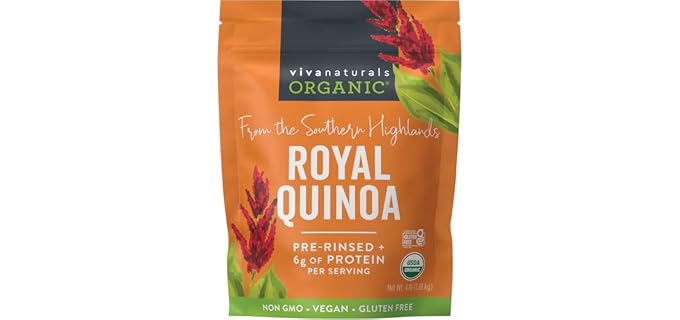
- You get 4 lb of pre-washed organic whole grain quinoa.
- It carries USDA Organic and Non-GMO Project Verified labeling and is also vegan and gluten-free.
- It has 3 g of fiber.
- It suits baking, cooking, salad dressings and oatmeal.
- Check the package label for the full ingredient list and allergen information before you buy.
4
365 Whole Foods® Organic White Quinoa Organic white quinoa in 16oz bag


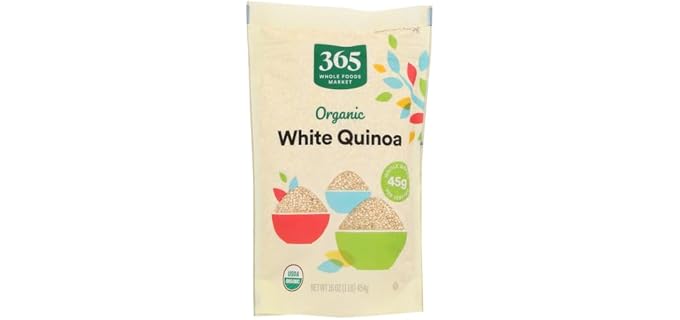
- 365 Whole Foods Organic White Quinoa is an organic white quinoa, and it comes in a 16 oz size.
- The package measures 1.6 x 5.2 x 8.8 inches.
- Check the package label for the full ingredient list and allergen information before you buy.
5
Yupik® Tri-Color Quinoa Organic tri-color quinoa in 2.2lb bag


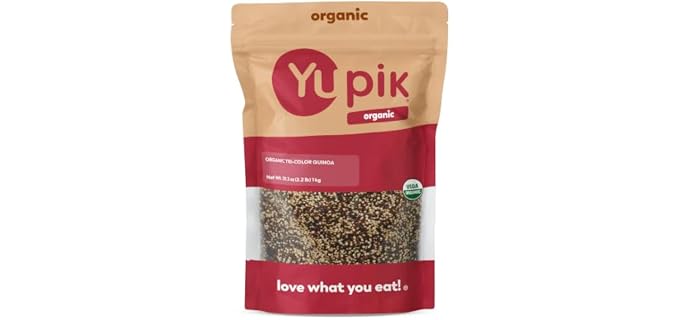
- Yupik’s organic tri-color quinoa comes in a 2.2 lb size.
- It is certified organic, non-GMO and vegan.
- It is raw.
- It is meant for cooking, salad dressings and pasta dishes; store it in a cool, dry place.
- Check the package label for the full ingredient list and allergen information before you buy.
Index Table: Top-Rated Organic Quinoa
| No. | Product | Image | Features | Brand |
|---|---|---|---|---|
| 1 | Healthworks Superfoods Organic White Quinoa - Organic whole grain white quinoa, 5lb |  |
| Healthworks Superfoods |
| 2 | BetterBody Foods Tri-Color Quinoa - Organic tri-color quinoa in 1.5lb bag |  |
| BetterBody Foods |
| 3 | Viva Naturals Organic Quinoa - Pre-washed organic whole grain quinoa, 4lb |  | Viva Naturals | |
| 4 | 365 Whole Foods Organic White Quinoa - Organic white quinoa in 16oz bag |  | 365 Whole Foods | |
| 5 | Yupik Tri-Color Quinoa - Organic tri-color quinoa in 2.2lb bag |  | Yupik |
Sources
- U.S. Food and Drug Administration. How to Understand and Use the Nutrition Facts Label. Accessed October 16, 2026.
- USDA Agricultural Marketing Service. Organic Labeling Standards. Accessed October 16, 2026.
- U.S. Food and Drug Administration. Food Allergies: What You Need to Know. Accessed October 16, 2026.
- Dietary Guidelines for Americans, 2020-2025. Dietary Guidelines for Americans, 2020-2025. Accessed October 16, 2026.
- U.S. Food and Drug Administration. Recalls, Market Withdrawals, & Safety Alerts. Accessed October 16, 2026.
Update History
- Oct 2026: Product picks reviewed and updated; added Sources (FDA, USDA AMS, Dietary Guidelines for Americans)
- Mar 2021: First published
Views: 0


