As an Amazon Associate I earn from qualifying purchases. Product links on this page are affiliate links, at no extra cost to you; see our Affiliate Disclosure.
Adding a scoop of protein powder to your smoothie or a glass of milk may seem healthy. After all, it would be best to have protein to get that Dwayne Johnson body. But that’s not the real deal! And, some can make you gain weight, some can keep you bloated, and some others can create havoc.Disclaimer: This article is for general information and is not medical advice. Talk to your doctor or pharmacist before starting a supplement, especially if you are pregnant, nursing, take medicines or are buying for a child.

Key Specs Compared
Numbers match the reviews below (tap to jump).
| # | Form | Size | Stated certifications | Gluten-free |
|---|---|---|---|---|
| 1 | Powder | 2.03 Pound | USDA Organic, Non-GMO, Kosher | Yes |
| 2 | Powder | 1.46 Pound | USDA Organic, Non-GMO Project Verified, Kosher | Yes |
| 3 | Not stated | 2 Pound | Non-GMO | Yes |
| 4 | Powder | 38.5 Ounce | USDA Organic | Not stated |
| 5 | Seeds | 30 Servings | Non-GMO | Yes |
– = not stated on the Amazon listing · Specs and certifications as stated by the listing, not tested or verified by us; check the listing before you buy
Supplement safety
Hidden Dangers of Non-Organic Protein Powders
There are many risks associated with consuming filler-rich protein powders. Creatine, a common sports supplement, increases the water content in your muscle cells, leading to significant weight gain. Plus, it increases the risk of dehydration and muscle cramping. Caffeine in protein powder will give tremors and sleepless nights. For these reasons, you should know what to avoid in your protein powders.Ingredients To Watch Out For In Your Protein Powders
Many protein powders come fortified with unhealthy ingredients. Here’s what you should watch out for in your protein powder.- Artificial sweeteners – Your ‘ mission-toned body’ may fail if the protein powders have unnatural sweeteners. Plus, they can cause gastric problems and headaches.
- Soy protein – Most soy proteins are sourced from GM varieties. You know what that means, right?
Ingredients Found in a Good Organic Protein Powder
To make this important choice, we suggest checking if the brand meets the criteria below.- Amino acid profile: As our science teachers taught, ‘Amino acids are the building blocks of protein. They are of two types – essential and non-essential.’ Since essential amino acids can’t be synthesized in our body, you should look for protein powders containing them. Specifically, BCAA is the term.
- Taste and Mixability: This is the prime concern of many. And who doesn’t want tasty organic protein powders? Speaking of mixability, you should check if it is ‘shaker’ or ‘blender.’
- Nutrient profile: Check the label for protein, dietary fiber, vitamins, enzymes, minerals, and probiotics.
- Creatine: It is essential if your goals are to build muscles. Organic Creatine will speed up muscle recovery, enhance lean muscle mass, and increase muscle strength.
- Omega-3 and 6 Fatty Acids: By now, you must be knowing how important omega-3s and omega-6s are.
What are Good Types of Organic Protein Powders?
The following are five types of protein powders.- Whey Protein – Whey comes from milk and separates during the cheesemaking process into curds and whey liquid. Organic whey protein powders contains sugar that many people can’t break down.
- Egg Protein – Egg protein powders are made from whites rather than yolks and are one of the most filling foods.
- Casein Protein – Casein is a protein found in milk but isn’t digested and absorbed as quickly as whey.
- Pea Protein – Aside from pea protein, we also have this organic vegan protein powder which is suitable for those who don’t like to eat meat, dairy, or eggs. Why? It’s made from a high-fiber legume that has all but one of our essential amino acids.
- Hemp Protein – Hemp protein is a plant-based supplement that’s gaining popularity.
What the Research Says
The FDA doesn’t approve supplements for safety or effectiveness before they’re sold, and supplement quality varies.[1] Most people can meet their nutrient needs from food.[2] Be wary of ads that promise fast or dramatic results.[3]How We Chose These Products
We don’t test products hands-on. We compared labels and listings: the form and dose per serving, third-party testing (USP, NSF or similar), whether ingredients carry the USDA Organic seal [4], and price per serving. We removed products that were out of stock, no longer listed or recalled, and we checked the brands we list against recent FDA [5] recall notices in October 2026. Brands don’t pay to be included, though we may earn a commission from purchases.Our Picks: Top 5 Organic Protein Powders
Want some recommendations? Check out the names below.1
Orgain® Organic Vegan Protein Chocolate fudge plant protein powder, 2lb


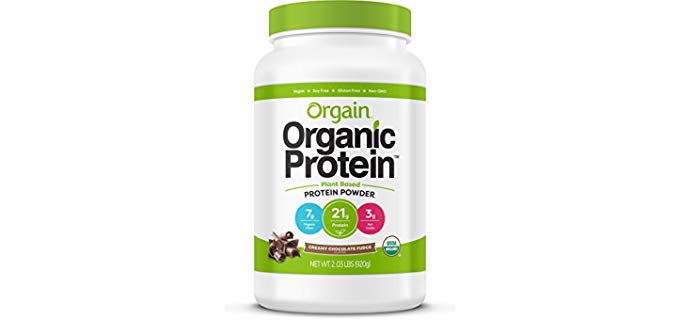
- Orgain Organic Vegan 21g Protein Powder.
- Listing details: Creamy Chocolate Fudge; 2.03 lb; Plant based protein; 7g prebiotic fiber.
- Each serving provides 21 grams of protein and 5 grams of fiber. The protein sources are peas, brown rice, and chia seeds. Regarding calories, it provides 150 calories per serving.
2
Garden of Life® Raw Organic Protein Vegan vanilla protein powder, 20 servings


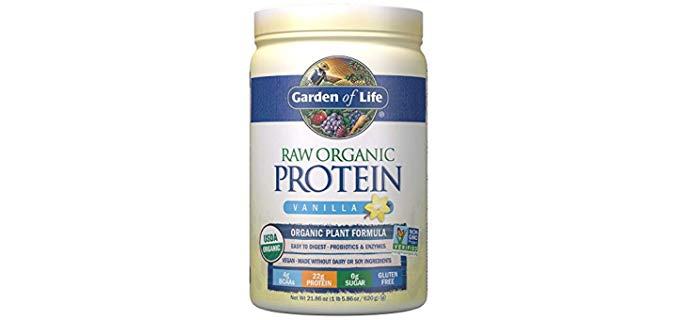
- Garden of Life Raw Organic Protein Powder.
- Listing details: 20 Servings; Gluten & Lactose Free.
- Don’t like flavors in your protein powder? They have an unflavoured, no-stevia version, too.
3
Forzagen® Vegan Protein 360 Quinoa, rice and pea protein powder


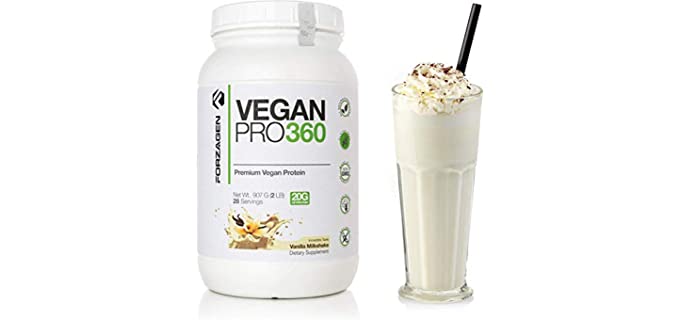
- Forzagen Vegan Protein 360 2 Lbs 27 Servings.
- Listing details: Plant Based Protein Extracted from Quinoa; Brown Rice and Pea Isolate Protein; Soy and Gluten Free; Nom GMO (Vanilla Milkshake).
- This plant-based protein powder is soy- and gluten-free, which some people find easier on digestion.
4
KOS® Vegan Protein Powder Organic chocolate pea protein blend powder


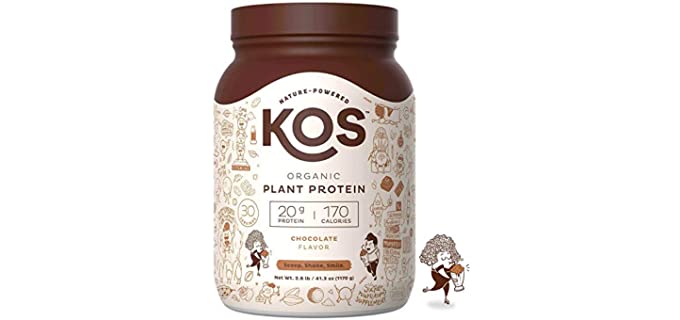
- KOS Vegan Protein Powder Erythritol Free.
- Listing details: Organic Pea Protein Blend; Meal Replacement for Women & Men; 28 Servings.
- The soluble fiber in plant protein gives you that “full” feeling for a longer period of time.
5
Sunwarrior® Warrior Blend Protein Organic vegan chocolate protein, 30 servings


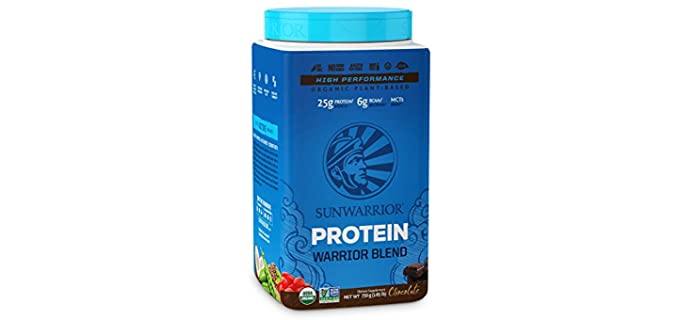
- Sunwarrior Warrior Blend Organic Vegan Protein.
- Listing details: 30 Servings; Plant Based with BCAA Amino Acids; Hemp Seed & Pea Blend; Non-GMO.
- It contains electrolytes to keep your body fit, along with promoting lean muscle.
Index Table: Top Rated Organic Protein Powders
| No. | Product | Image | Features | Brand |
|---|---|---|---|---|
| 1 | Orgain Organic Vegan Protein - Chocolate fudge plant protein powder, 2lb | 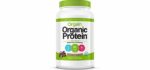 |
| Orgain |
| 2 | Garden of Life Raw Organic Protein - Vegan vanilla protein powder, 20 servings | 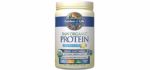 |
| Garden of Life |
| 3 | Forzagen Vegan Protein 360 - Quinoa, rice and pea protein powder | 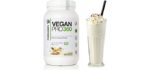 |
| Forzagen |
| 4 | KOS Vegan Protein Powder - Organic chocolate pea protein blend powder | 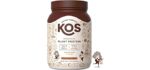 |
| KOS |
| 5 | Sunwarrior Warrior Blend Protein - Organic vegan chocolate protein, 30 servings | 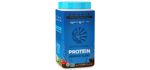 |
| Sunwarrior |
Sources
- U.S. Food and Drug Administration. Dietary Supplements. Accessed October 16, 2026.
- NIH Office of Dietary Supplements. Dietary Supplements: What You Need to Know. Accessed October 16, 2026.
- Federal Trade Commission. Health Products Compliance Guidance. Accessed October 16, 2026.
- USDA Agricultural Marketing Service. Organic Labeling Standards. Accessed October 16, 2026.
- U.S. Food and Drug Administration. Recalls, Market Withdrawals, & Safety Alerts. Accessed October 16, 2026.
Update History
- Oct 2026: Product picks reviewed and updated; added Sources (FDA, NIH ODS, FTC, USDA AMS)
- Jun 2020: Added Forzagen Vegan Protein 360, KOS Vegan Protein Powder and Sunwarrior Warrior Blend Protein
- Mar 2019: First published
Views: 0