We may earn a commission from qualifying purchases. Product links on this page are affiliate links, at no extra cost to you; see our Affiliate Disclosure.
No supplement boosts your immune system, and Harvard Health says the idea of boosting immunity makes little sense scientifically. What does help is a short list of habits, and a few vitamins and minerals matter if your diet falls short. This guide covers the habits, why older adults have weaker immunity, what vitamin C, zinc, vitamin D and elderberry can and cannot do, and three supplements.General information, not medical advice. Talk to your doctor or pharmacist before you start a supplement, especially if you are pregnant, take medicine or are buying for a child.

Key Specs Compared
Numbers match the reviews below (tap to jump).
| # | Form | Size / count | Stated certifications | Vegan |
|---|---|---|---|---|
| 1 | Capsules | 90 Count | Organic acerola + L-ascorbate (per label), Non-GMO | Yes |
| 2 | Gummies | 120 Count | USDA Organic, Non-GMO | Yes |
| 3 | Liquid drops | 1 Fl Oz | USDA Organic, Non-GMO | Yes |
– = not stated by the maker · Specs and certifications as stated by the listing, not tested or verified by us; check the listing before you buy
Immune health basics
- Not smoking, eating fruits and vegetables, exercising, sleeping enough, handling stress and keeping up with recommended vaccines are the habits Harvard Health names for immune health.[1]
- If you do not have a deficiency, taking more vitamins and minerals in supplement form does not help prevent infections or speed recovery in most cases.[2]
- Adult upper limits are 2,000 mg of vitamin C, 40 mg of zinc and 4,000 IU of vitamin D a day from all sources, so add up your multivitamin before you take another product.[2]
- In 2020 the FTC and FDA told companies to stop claiming supplements prevent or treat COVID-19, because no such products were available.[4]
Habits That Support Your Immune System
- Follow a Healthy Diet – Harvard Health recommends a diet high in fruits and vegetables and a healthy weight, and says to drink alcohol only in moderation.[1]
- Minimize Stress and Sleep Well – Get adequate sleep and take steps to minimize stress.[1]
- Exercise – Exercise regularly.[1]
- Quit Smoking – Not smoking is the first healthy-living strategy Harvard Health names.[1]
- Avoid Infection – Wash your hands often and cook meats thoroughly.[1]
- Keep Up with Vaccines – Vaccines prime your immune system to fight infections before they take hold.[1]
Why Older Adults Have Lower Immunity
- Weaker Response – As we age, immune response capability falls, and compared with younger people, older adults are more likely to catch infectious diseases and more likely to die from them.[1]
- Leading Causes of Death – Respiratory infections, including influenza, COVID-19 and especially pneumonia, are leading causes of death in people over 65 worldwide.[1]
- Thymus Shrinkage – T cells mature in the thymus, and age-related shrinkage of the thymus lowers the output of new (naive) T cells.[5] The review found the shrinkage starts early in life, before puberty, and that the aged thymus accumulates fat.[5]
- Vaccines Still Help – The influenza vaccine is less effective in people over 65 than in healthy children, but vaccination against influenza, COVID-19 and pneumococcal disease has lowered sickness and death in older people compared with no vaccination.[1]
What Vitamin C, Zinc and Vitamin D Do
- Needed for Immune Function – Your immune system needs vitamin C, vitamin D and zinc to work properly, and a person with a deficiency is more likely to get infections.[2]
- Vitamin C – Taking vitamin C regularly might shorten a cold and ease symptoms, but taking it after a cold starts may not help. Adults can take up to 2,000 mg a day. More than that causes diarrhea, nausea and stomach cramps and can give false readings on blood sugar monitors.[2]
- Zinc – Zinc lozenges and syrup might speed recovery from a cold when started at the first sign. The adult upper limit is 40 mg a day, and zinc can interact with antibiotics and thiazide diuretics.[2]
- Vitamin D – Vitamin D supplements might slightly lower the risk of respiratory infections in people with low levels, and they do not appear to treat infections. The adult upper limit is 4,000 IU a day, and vitamin D can interact with statins, thiazide diuretics, steroids and orlistat.[2]
Things to Know Before Using Immune Supplements
- Check the Product Label – Compare the amount per serving with the upper limits above, and count what your multivitamin already supplies.
- Consult a Medical Professional – Tell your doctor and pharmacist about every supplement you take, because some interact with medicines.[2]
- Do Not Overdose – Higher doses cause side effects, and long-term high zinc intake lowers copper and impairs immune function.[2]
- Check Your Diet – A varied diet can supply enough vitamins and minerals for a healthy immune system.[2]
Elderberry: What the Evidence Shows
- What It Is – Elderberry syrups, gummies, liquids and capsules come from the fruit of the elder tree.[2]
- What the Research Shows – Elderberry does not appear to lower the risk of catching a cold, though some studies found it relieved cold and flu symptoms and sped recovery.[2] NCCIH says there is not enough evidence to rely on elderberry for COVID-19.[3]
- Safety – Raw or unripe elderberries, leaves and stems contain cyanide-producing substances that cause nausea, vomiting and severe diarrhea, and cooking removes the toxin.[3] Properly made supplements do not have this problem.[2]
- Medicines and Blood Sugar – Elderberry might affect insulin and blood sugar levels and might weaken medicines that suppress the immune system.[2]
- Pregnancy and Children – Little is known about elderberry in pregnancy or breastfeeding.[3] Ask your pediatrician before giving it to a child.
What the Research Says
The NIH Office of Dietary Supplements says your immune system needs vitamin C, vitamin D and zinc, and that in most cases, if you do not have a deficiency, supplements do not help prevent infections or speed recovery.[2] Harvard Health says healthy-living strategies make sense because they likely help immune function and come with other proven benefits.[1]How We Chose These Products
We do not test products. We compare product details: form, amount per container, stated certifications, ingredients and availability.[6] Brands don’t pay to be included, though we may earn a commission from purchases.Our Picks: Immune Support Supplements
We found three immune support supplements, so this guide has three picks. With every purchase through the links on this page, we may earn a commission, at no extra cost to you.1
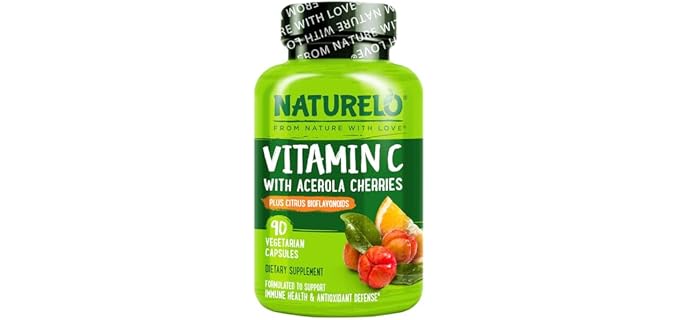
NATURELO® Vitamin C 500mg Vegan vitamin C, 90 capsules


Currently unavailable
- Naturelo Vitamin C is a 90-capsule bottle with 500 mg of vitamin C per capsule.
- The source is organic acerola cherry extract plus citrus bioflavonoids, and it is vegan and non-GMO.
- One capsule is a quarter of the 2,000 mg adult upper limit, so count vitamin C from your multivitamin too.
2
Garden of Life® Elderberry Immune Gummies Organic elderberry gummies with vitamin C


Currently unavailable
- Garden of Life Elderberry Immune Gummies come as 120 gummies, and one serving is 3 gummies.
- The gummies add zinc from organic guava and vitamin C from organic amla berry, and they are vegan, gluten-free and non-GMO with no artificial dyes.
- They are made for adults and children 4 and older, and gummies are a choking hazard for young children, so keep the bottle out of reach.
3
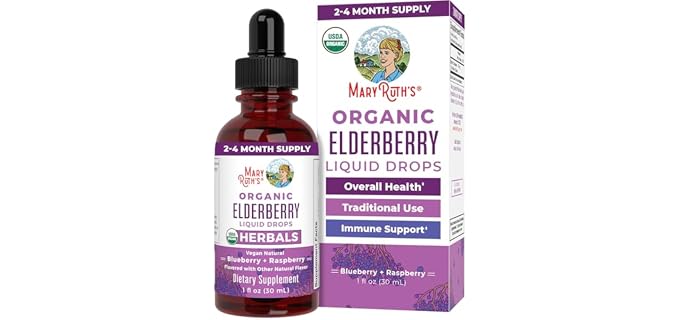
MaryRuth's® Elderberry Liquid Drops Organic elderberry liquid drops, 1 ounce


Currently unavailable
- MaryRuth’s Organic Elderberry Liquid Drops come in a 1 oz bottle with a dropper, and each full dropper (30 drops) holds 150 mg of elderberry extract.
- The drops are sugar-free, vegan, non-GMO and B Corp certified.
- The label has a dose chart that starts at 1 to 3 years, so check with your pediatrician before you give elderberry to a child.
Summary Table: Immune Support Supplements
| No. | Product | Image | Features | Brand |
|---|---|---|---|---|
| 1 | NATURELO Vitamin C 500mg - Vegan vitamin C, 90 capsules |  |
| NATURELO |
| 2 | Garden of Life Elderberry Immune Gummies - Organic elderberry gummies with vitamin C |  | Garden of Life | |
| 3 | MaryRuth's Elderberry Liquid Drops - Organic elderberry liquid drops, 1 ounce |  | MaryRuth's |
Sources
- Harvard Health Publishing. How to Boost Your Immune System. Accessed October 27, 2026.
- NIH Office of Dietary Supplements. Dietary Supplements for Immune Function and Infectious Diseases. Accessed October 27, 2026.
- NIH National Center for Complementary and Integrative Health. Elderberry: Usefulness and Safety. Accessed October 27, 2026.
- Federal Trade Commission. FTC, FDA warn companies making Coronavirus claims. Accessed October 27, 2026.
- Palmer DB. The effect of age on thymic function. Frontiers in Immunology, 2013. Accessed October 27, 2026.
- USDA Agricultural Marketing Service. Organic Labeling Standards. Accessed October 27, 2026.
Update History
- Oct 2026: Rewrote the guide text and product notes around Harvard Health, the NIH immune function fact sheet and NCCIH, added the vitamin C, zinc and vitamin D upper limits, the medicine interactions and the elderberry safety facts, corrected the thymus wording, removed unsupported claims, and replaced the sources (Harvard Health, NIH Office of Dietary Supplements, NIH NCCIH, FTC, Frontiers in Immunology, USDA)
- Oct 2026: Removed Solgar Zinc Picolinate and Viva Naturals Elderberry with Zinc (no organic claim); corrected the NATURELO vitamin C source; added notes on stacking zinc and vitamin D
- Nov 2021: Added Garden of Life Elderberry Immune Gummies
- Apr 2020: First published


