As an Amazon Associate I earn from qualifying purchases. Product links on this page are affiliate links, at no extra cost to you; see our Affiliate Disclosure.
Drinks can help you stay hydrated, and some also add vitamins and minerals to your day. Read on to find out the best Organic drinks that you can incorporate into your everyday life.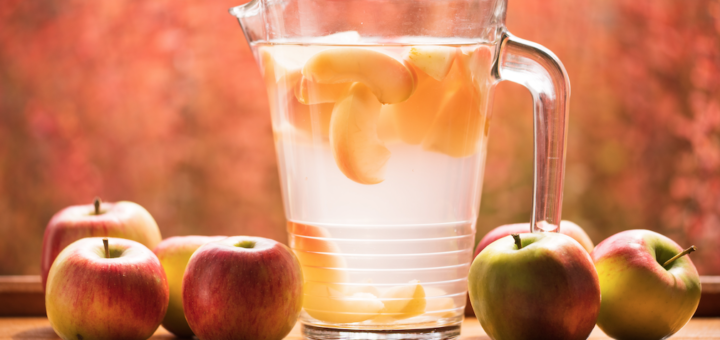


Every time is the right time for tea. Whether you need black tea to start the day or herbal tea to relax at the end of the day, there’s a tea for every mood. 
Smoothies can be used as meal alternatives since they provide you with fiber, vitamins, minerals, protein, and fat at the same time.
This article is general information, not medical or nutrition advice. Talk to your doctor or a registered dietitian about your own needs.
Table of Contents
”Best
”
- Fruit Juices – 100% fruit juice has vitamins and minerals, but most of the fiber in whole fruit is lost in juicing, and juice is high in natural sugar. Dietary guidelines say most of your fruit should come from whole fruit.[1] Research hasn’t shown that organic fruit is significantly more nutritious than conventional; the organic label covers how it’s grown.[2] Orange, apple, mango and pineapple are popular choices. Children under 1 shouldn’t have juice, and older kids should have only small amounts.[3]
- Vegetable Juice – Vegetable juices can help you reach your vegetable servings, but like fruit juice they contain less fiber than whole vegetables, and store-bought versions can be high in sodium.[1] Popular vegetables for juicing include carrots, beets, ginger and pumpkin.
- Green Juices – Green juices can be made from celery, cucumber, spinach, kale, cabbage, green apples or pineapple. Spinach and other greens add vitamins and minerals; cucumber adds water and a fresh flavor.
- Berry Juices – Pomegranate, strawberries, blueberries, raspberries, cranberries, cherries and plums make colorful, flavorful juices. Watch the added sugar in bottled berry blends, and check the label for “100% juice”.[4]
- Citrus Juices – Oranges, other citrus fruits, kiwi and papaya are good sources of vitamin C, which your body needs for normal immune function. Juices and supplements haven’t been shown to prevent colds in most people.[5]
- Juice Safety – There’s no good evidence that “detox” juices or cleanses remove toxins; your liver and kidneys do that job.[6] Unpasteurized (raw) juice can carry germs, so children, older adults, pregnant people and anyone with a weakened immune system should choose pasteurized juice.[7]
Best Organic Teas
Here are the best organic teas:
1. Black Tea
2. Green Tea
3. Herbal Tea
1. Black Tea
2. Green Tea
3. Herbal Tea
Every time is the right time for tea. Whether you need black tea to start the day or herbal tea to relax at the end of the day, there’s a tea for every mood.
- Black Tea – Black tea is derived from the ‘Camellia Sinensis’ plant. The leaves of the plant are crushed, rolled, or curled, and then left to oxidize before drying. The oxidization process accounts for its rich and strong flavor profile and coloring. Although the oxidization process reduces its flavonoid content somewhat, it is still rich in nutrients. It is most commonly grown and harvested in China, India, Nepal, and Sri Lanka. Depending on the area where it is grown and the season, the flavor of the tea can differ. Black tea contains caffeine, so most adults should keep total caffeine under about 400 mg a day.[8] It comes in a lot of blends and varieties including, Darjeeling, with its fruity and floral notes, Assam Black tea with a malt-like flavor, Ceylon black tea which comes with a spiced or chocolate-y flavor, Earl Grey infused with Citrus or Bergamot flavoring, English and Irish Breakfast teas, along with many other flavor blends to cater to a large audience.
- Green Tea – As with Black tea, green tea comes from the same ‘Camellia Sinensis’ plant. The leaves of the plant, whether fresh or withered, are lightly steamed or heated. This halts the oxidation process, accounting for its wholly different flavor profile. The tea plant is grown, and its processing marks the difference in the various types of green teas available. The flavors range from nutty and fruity to seaweed and grass-like. Green tea’s caffeine can increase alertness; NCCIH says it’s safe in moderate amounts, but evidence for disease prevention is limited.[9] The most common type of green teas are Japanese teas such as Sencha, with a grassy and savory taste, Genmaicha made with a lower grade Sencha, Matcha which has become popular recently and features a creamy and bitter-sweet flavor, as well as Chinese style teas including Biluochun with its strong aroma and fruity taste, and Longjing which is a hand-roasted tea with a nutty profile.
- Herbal Tea – Herbal teas combine hydration with the myriad benefits of the infused herbs. Good herbal teas are Chamomile, a fragrant herb that may help a little with sleep, though the evidence is limited, and people allergic to ragweed may react to it.[10] Hibiscus tea is caffeine-free. It brews red, with a sweet and tart flavor profile, ideal as an iced tea for summers. Another herbal tea is mint tea, with its refreshing scent and flavor that works for every season of the year.
Best Organic Smoothies
Read below the best organic smoothies:
1. Leafy Greens and Vegetables
2. Nuts and Seeds
3. Berries and Fruits
4. Milk and Milk Alternatives
1. Leafy Greens and Vegetables
2. Nuts and Seeds
3. Berries and Fruits
4. Milk and Milk Alternatives
Smoothies can be used as meal alternatives since they provide you with fiber, vitamins, minerals, protein, and fat at the same time.
- Leafy Greens and Vegetables – For most people, leafy greens and other vegetables can sometimes be hard to consume. However, adding them to your smoothies make the problem easier to manage. They are rich in nutrients, including Iron, Calcium, Magnesium, along with fiber.
- Nuts and Seeds – Nuts and seeds add protein and healthy fats. Adding them in smoothies not only enhances the taste and texture of the drink but also increases your intake of the necessary nutrients.
- Berries and Fruits – Berries are rich in antioxidants and Vitamins, whereas fruits contain fiber in addition to other things. They add flavor to your smoothies, and you can also get funky colors with raspberries, cranberries, blue and blackberries, etc.
- Milk and Milk Alternatives – These days, soy, almond, and oat milk are commonly used as regular milk alternatives. They may contain less fat and calories than regular milk, depending on their base ingredient. Yogurt is also used in a smoothie with a rich flavor and a creamy texture.
Sources
- Dietary Guidelines for Americans, 2020-2025. Dietary Guidelines for Americans, 2020-2025. Accessed October 16, 2026.
- USDA Agricultural Marketing Service. Organic Labeling Standards. Accessed October 16, 2026.
- HealthyChildren.org (AAP). Fruit Juice and Your Child’s Diet. Accessed October 16, 2026.
- U.S. Food and Drug Administration. Added Sugars on the Nutrition Facts Label. Accessed October 16, 2026.
- NIH Office of Dietary Supplements. Vitamin C Fact Sheet for Consumers. Accessed October 16, 2026.
- NCCIH. “Detoxes” and “Cleanses”: What You Need To Know. Accessed October 16, 2026.
- U.S. Food and Drug Administration. What You Need to Know about Juice Safety. Accessed October 16, 2026.
- U.S. Food and Drug Administration. Spilling the Beans: How Much Caffeine is Too Much?. Accessed October 16, 2026.
- NCCIH. Green Tea. Accessed October 16, 2026.
- NCCIH. Chamomile. Accessed October 16, 2026.
Update History
- Oct 2026: Guide reviewed and updated; added Sources (Dietary Guidelines for Americans, USDA AMS, HealthyChildren.org (AAP), FDA, NIH ODS, NIH NCCIH)
- Mar 2021: First published
Views: 0
