As an Amazon Associate I earn from qualifying purchases. Product links on this page are affiliate links, at no extra cost to you; see our Affiliate Disclosure.
Organic products are all the rage these days. From Organic food and dairy products to organic cosmetics and skincare clothing materials, the demand for organic and sustainable items is on the rise. Organic produce usually costs more, so it helps to know where the extra money buys the biggest drop in pesticide residues.
The most important part of our life is what we eat, as it essentially becomes a part of our body and can have long-lasting effects on our health. Therefore, out of all the Organic items produced these days, food is the most important. Organic isn’t worth the premium for every fruit and vegetable. Below are the items that most often carry residues, the ones that rarely do, and how to wash produce either way. Eating plenty of fruits and vegetables, organic or not, matters far more than avoiding conventional produce.[1]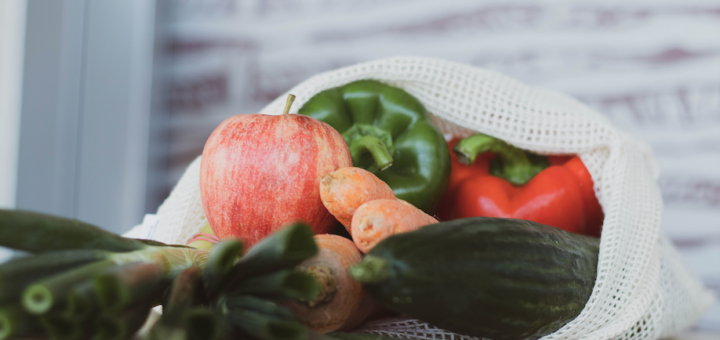
As a general definition, organic refers to anything that is made or derived from living matter. Simply put, Organic food is produced in compliance with the standards set for Organic farming, featuring practices to promote ecological balance by conserving biodiversity and recycling resources. Similarly, Organic livestock is raised in living conditions that are most suitable to fit their natural habitat and behavioral requirements. Regulations for the label ‘Organic’ differ from country to country; however, in the USA, Organic crops are required to be grown without the use of chemical fertilizers, pesticides, synthetic herbicides, and GMOs (Bioengineered genes). For Organic produce, manure and compost are used as natural fertilizers. Weeds are naturally controlled with crop rotation, hand-pulling, tilling, mulching, and organic-approved herbicides. If the crops get infested with pests, organic-approved pesticides are used, along with using birds, insects, traps, and other natural pest-control methods.


The Environmental Working Group (EWG), an advocacy group, ranks produce each year using USDA residue data. These items are on its 2026 Dirty Dozen, the list where it suggests buying organic if you can:[8]
Disclaimer: This article is general information, not medical or nutrition advice.
Food label basics
What is Organic Food?
Read below about choosing organic food:
As a general definition, organic refers to anything that is made or derived from living matter. Simply put, Organic food is produced in compliance with the standards set for Organic farming, featuring practices to promote ecological balance by conserving biodiversity and recycling resources. Similarly, Organic livestock is raised in living conditions that are most suitable to fit their natural habitat and behavioral requirements. Regulations for the label ‘Organic’ differ from country to country; however, in the USA, Organic crops are required to be grown without the use of chemical fertilizers, pesticides, synthetic herbicides, and GMOs (Bioengineered genes). For Organic produce, manure and compost are used as natural fertilizers. Weeds are naturally controlled with crop rotation, hand-pulling, tilling, mulching, and organic-approved herbicides. If the crops get infested with pests, organic-approved pesticides are used, along with using birds, insects, traps, and other natural pest-control methods.
Benefits of Organic Food
Scroll down to see the benefits of organic food:
1. Fresh
2. GMO-Free
3. Environment-friendly
1. Fresh
2. GMO-Free
3. Environment-friendly
- Fewer synthetic additives – Organic rules restrict which preservatives and additives can go into processed organic foods. That doesn’t mean organic produce is fresher; freshness depends on how far it traveled and how long it was stored.[3]
- Fewer pesticide residues – Organic farms can only use a short list of approved pest-control substances, and reviews find organic produce is less likely to carry detectable residues.[5][6] Conventional produce isn’t unsafe, though: in USDA’s 2024 testing, more than 99% of samples had residues below EPA safety limits and about 42% had none detectable.[7]
- GMO-Free – GMO stands for Genetically Modified Organisms and is also used to refer to any Genetically engineered foods. This includes any plants whose genes are engineered and modified in a way that does not occur in nature or with traditional crossbreeding.
- Environment-friendly – Using techniques like crop rotation, using manure and compost as fertilizer, etc., to cycle resources, reduce synthetic chemical usage, and allowing the wildlife to play its role in the cycle of nature, are all environment-friendly and supportive. Not using chemical pesticides, fertilizers, etc., also go a long way towards keeping the soil, air, and water free of chemical pollution.
- Nutrition – The evidence that organic produce is more nutritious is weak. A large Stanford review found no strong evidence of higher vitamin or mineral content,[5] while a 2014 review found somewhat higher levels of antioxidant plant compounds and less cadmium in organic crops.[6] Whether those differences affect health is unproven.
Which Foods to Buy Organic?
Scroll down to see which organic food you should buy:
1. Apples
2. Grapes
3. Peaches
4. Potatoes
5. Spinach
6.Strawberries
1. Apples
2. Grapes
3. Peaches
4. Potatoes
5. Spinach
6.Strawberries
The Environmental Working Group (EWG), an advocacy group, ranks produce each year using USDA residue data. These items are on its 2026 Dirty Dozen, the list where it suggests buying organic if you can:[8]
- Apples – Apples are on the 2026 Dirty Dozen, partly because of a chemical applied after harvest to keep them from discoloring in storage. The peel is eaten, so residues on it are eaten too.[8]
- Grapes – Grapes often carry residues of several different pesticides, which puts them on the Dirty Dozen.[8]
- Peaches – Peaches are on the 2026 Dirty Dozen, and most samples carry some residue.[8] Fresh peaches are still a healthy choice; canned peaches aren’t “healthier”, and many are packed in syrup with added sugar.
- Potatoes – Potatoes joined the 2026 Dirty Dozen at No. 11, mostly because of chlorpropham, a sprout inhibitor used in storage. They don’t have the most residue of any crop; spinach does.[8]
- Spinach – EWG’s analysis found spinach has more pesticide residue by weight than any other produce.[8] Organic fresh and frozen spinach is easy to find in most grocery stores.
- Strawberries – Strawberries are eaten whole, skin and all, and samples often carry several different pesticides, so they rank near the top of the list.[8]
Which Food You Can Skip Buying Organic
If your budget is tight, these items had the lowest residues on EWG's 2026 Clean Fifteen. Thick, peeled skins help, but it isn't the only factor. Asparagus has thin skin and still tests low:
1. Pineapple 2. Avocados 3. Papaya
4. Onions 5. Asparagus
1. Pineapple 2. Avocados 3. Papaya
4. Onions 5. Asparagus
What the Research Says
Dietary guidelines recommend a healthy eating pattern built on vegetables, fruits, whole grains, lean proteins and healthy oils.[1] Reviews agree organic produce carries fewer pesticide residues, but they haven’t shown clear health benefits from eating organic.[5] Organic certification covers how food is grown and processed, not its nutrition.[3]Sources
- Dietary Guidelines for Americans, 2020-2025. Dietary Guidelines for Americans, 2020-2025. Accessed October 16, 2026.
- U.S. Food and Drug Administration. How to Understand and Use the Nutrition Facts Label. Accessed October 16, 2026.
- USDA Agricultural Marketing Service. Organic Labeling Standards. Accessed October 16, 2026.
- U.S. Food and Drug Administration. Food Allergies: What You Need to Know. Accessed October 16, 2026.
- Smith-Spangler C, Brandeau ML, Hunter GE, et al. Are organic foods safer or healthier than conventional alternatives? A systematic review. Ann Intern Med. 2012;157(5):348-366. Accessed October 18, 2026.
- Barański M, Srednicka-Tober D, Volakakis N, et al. Higher antioxidant and lower cadmium concentrations and lower incidence of pesticide residues in organically grown crops. Br J Nutr. 2014;112(5):794-811. Accessed October 18, 2026.
- USDA Agricultural Marketing Service. USDA Publishes 2024 Pesticide Data Program Annual Summary. Accessed October 18, 2026.
- Environmental Working Group. Shopper’s Guide to Pesticides in Produce, 2026 (full list). Accessed October 18, 2026.
- U.S. Food and Drug Administration. 7 Tips for Cleaning Fruits, Vegetables. Accessed October 18, 2026.
Update History
- Oct 2026: Replaced the ‘27% more vitamin C’ nutrition claim with current reviews (Smith-Spangler 2012, Barański 2014); removed the unsupported ’16 pounds of pesticides per person’ figure; corrected the potato claim (No. 11 on EWG’s 2026 Dirty Dozen; spinach has the most residue by weight); removed the claim that canned peaches are healthier; updated the skip-organic list to EWG’s 2026 Clean Fifteen; added USDA residue testing results and FDA produce-washing advice; Sources (FDA, USDA AMS, Dietary Guidelines, Annals of Internal Medicine, British Journal of Nutrition, EWG)
- Mar 2021: First published
Views: 0
