As an Amazon Associate I earn from qualifying purchases. Product links on this page are affiliate links, at no extra cost to you; see our Affiliate Disclosure.
Nowadays, there are a lot of fad diets that claim to solve all your health problems. Some diets are juice-centric and claim to detoxify the body or cause weight loss, but there’s no good evidence that juice cleanses do either.[1] Many bottled juices are made from concentrate. Supermarkets, these days, are full of packaged and bottles juices that claim to be rich in nutrients. Not to mention the high added sugar content. If you prefer organic, look for the USDA Organic seal.[2]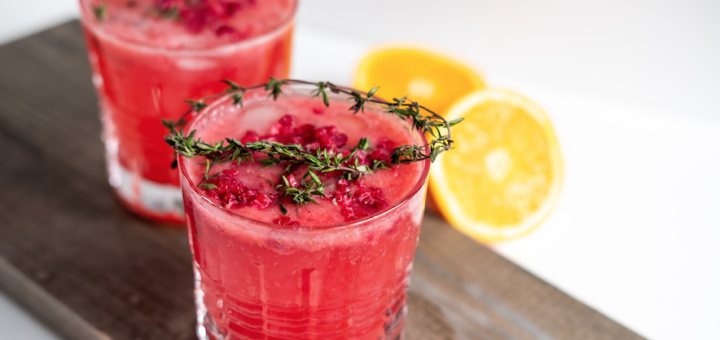


Not only can these vegetables and fruits be used to make fresh juices, but they can also be made into smoothies. Smoothies are also an excellent way of meeting your daily quota of fresh fruits and vegetables and making almost a meal out of it. You can opt for bottled organic juice or make your own, as per your personal preferences. However, for making your own juice, whether you buy your produce organic or not, it is essential to know how to wash it properly before consumption. Organic produce can still carry dirt and germs. 
Thin-Skin Fruits and Vegetables – For soft and thin skin fruits and vegetables, wash thoroughly with water. Before juicing, discard their skin. This is true for apples, peaches, pears, cucumber, etc. Thick-Skinned Fruits and Vegetables – For this type of produce, it is enough to wash them thoroughly with water. This includes fruits and vegetables with thicker skins such as nectarines, oranges, bananas, pineapple, dragonfruit, etc. Leafy Greens – Remove the outer leaves of leafy greens, then rinse the rest under running water. For items such as broccoli, you can soak it in water for a few minutes and then rinse to remove dirt and debris. Soft Fruits – Rinse soft fruits gently under cool running water just before using them; soap and produce washes aren’t needed.[7] This is especially essential for fruits such as cherries, strawberries, grapes, etc., that cannot be peeled.
This article is general information, not medical or nutrition advice. Talk to your doctor or a registered dietitian about your own needs.
Table of Contents
Why Choose Organic Juices
Here are reasons people choose organic juices:
1. Organic Standards
2. Less Pesticide Residue
3. Taste
4. Non-GMO
5. Minimum Additives
6. Environmental Benefits
1. Organic Standards
2. Less Pesticide Residue
3. Taste
4. Non-GMO
5. Minimum Additives
6. Environmental Benefits
- Organic Standards – USDA organic rules limit synthetic pesticides and fertilizers and prohibit GMOs and irradiation. Research hasn’t shown organic produce is significantly more nutritious than conventional.[2]
- Less Pesticide Residue – Organic produce is grown with limited use of synthetic pesticides, so it generally has lower residues, although both organic and conventional produce must meet federal safety limits.[2]
- Tastes Better – Many people feel organic produce tastes better, though taste depends mostly on variety, freshness and ripeness.
- Non-GMO – GMO refers to Genetically Modified Organisms and can also be called Genetically Engineered (GE). This means changing the fundamental structure of a product to enhance its qualities. According to the regulations and standards, organic food cannot be GMO or GE. Choosing organic is a simple way to avoid GMOs if you prefer to.[2]
- Minimum Additives – Most Organic juice brands add little to no additives in their products. Check the label for added sugar in any bottled juice, organic or not.[3]
- Environmental Benefits – Organic crops provide many benefits for the environment as well. It promotes animal welfare and protects the ecosystem by employing eco-sustainable techniques and materials for crop growth. It lowers synthetic chemicals, thereby producing less pollution for air, water, and soil. Techniques such as crop rotation increase agricultural diversity as well.
Benefits of Drinking Juice
What juice can and can't do:
1. Easy to Consume
2. Contains Vitamins and Minerals
3. Less Fiber Than Whole Fruit
4. Vitamin C
5. No Detox Needed
6. Increase Hydration
7. Watch the Sugar
8. Juice Safety
1. Easy to Consume
2. Contains Vitamins and Minerals
3. Less Fiber Than Whole Fruit
4. Vitamin C
5. No Detox Needed
6. Increase Hydration
7. Watch the Sugar
8. Juice Safety
- Easy to Consume – On average, an adult needs at least 5 servings of fruits and vegetables each day, depending on overall health and specific lifestyle requirements. However, it can be quite difficult to reach this quota every day, especially during workdays. 100% juice can count toward fruit and vegetable servings, but dietary guidelines say most should come from whole produce.[4]
- Contains Vitamins and Minerals – Fruits and vegetables are rich in nutrition including Vitamins and Minerals. Juice keeps many of the vitamins and minerals, but it isn’t better absorbed than whole fruit.
- Less Fiber Than Whole Fruit – Juicing removes most of the fiber, so juice is less filling than whole fruit and its sugar is absorbed faster.[4]
- Vitamin C – Citrus juices are rich in vitamin C, which your body needs for normal immune function, but extra vitamin C hasn’t been shown to prevent colds in most people.[5]
- No Detox Needed – Your liver and kidneys remove waste; there’s no good evidence that juices or cleanses “detox” the body.[1]
- Increase Hydration – Juice is mostly water, so it adds to your daily fluids, but water is still the best everyday drink.[4]
- Watch the Sugar – Even 100% juice is high in natural sugar. Kids under 1 shouldn’t have juice, and older children should have only small amounts.[6]
- Juice Safety – Unpasteurized juice can carry harmful germs; children, older adults, pregnant people and anyone with a weakened immune system should choose pasteurized juice.[7]
Which Fruits and Vegetables to Juice
Here are the fruits and vegetables to juice:
1. Apples
2. Nectarines and Oranges
3. Pears
4. Peach
5. Strawberries
6. Grapes
7. Celery
8. Leafy Greens
9. Cucumber
1. Apples
2. Nectarines and Oranges
3. Pears
4. Peach
5. Strawberries
6. Grapes
7. Celery
8. Leafy Greens
9. Cucumber
Not only can these vegetables and fruits be used to make fresh juices, but they can also be made into smoothies. Smoothies are also an excellent way of meeting your daily quota of fresh fruits and vegetables and making almost a meal out of it. You can opt for bottled organic juice or make your own, as per your personal preferences. However, for making your own juice, whether you buy your produce organic or not, it is essential to know how to wash it properly before consumption. Organic produce can still carry dirt and germs.
How to Wash Fruits and Vegetables Before Juicing
Here are few tips on how to wash fruits and vegetables before juicing:
1. Thin-Skin Fruits and Vegetables
2. Thick-Skinned Fruits and Vegetables
3. Leafy Greens
4. Soft Fruits
1. Thin-Skin Fruits and Vegetables
2. Thick-Skinned Fruits and Vegetables
3. Leafy Greens
4. Soft Fruits
Thin-Skin Fruits and Vegetables – For soft and thin skin fruits and vegetables, wash thoroughly with water. Before juicing, discard their skin. This is true for apples, peaches, pears, cucumber, etc. Thick-Skinned Fruits and Vegetables – For this type of produce, it is enough to wash them thoroughly with water. This includes fruits and vegetables with thicker skins such as nectarines, oranges, bananas, pineapple, dragonfruit, etc. Leafy Greens – Remove the outer leaves of leafy greens, then rinse the rest under running water. For items such as broccoli, you can soak it in water for a few minutes and then rinse to remove dirt and debris. Soft Fruits – Rinse soft fruits gently under cool running water just before using them; soap and produce washes aren’t needed.[7] This is especially essential for fruits such as cherries, strawberries, grapes, etc., that cannot be peeled.
Sources
- NCCIH. “Detoxes” and “Cleanses”: What You Need To Know. Accessed October 16, 2026.
- USDA Agricultural Marketing Service. Organic Labeling Standards. Accessed October 16, 2026.
- U.S. Food and Drug Administration. Added Sugars on the Nutrition Facts Label. Accessed October 16, 2026.
- Dietary Guidelines for Americans, 2020-2025. Dietary Guidelines for Americans, 2020-2025. Accessed October 16, 2026.
- NIH Office of Dietary Supplements. Vitamin C Fact Sheet for Consumers. Accessed October 16, 2026.
- HealthyChildren.org (AAP). Fruit Juice and Your Child’s Diet. Accessed October 16, 2026.
- U.S. Food and Drug Administration. What You Need to Know about Juice Safety. Accessed October 16, 2026.
Update History
- Oct 2026: Guide reviewed and updated; added Sources (NIH NCCIH, USDA AMS, FDA, Dietary Guidelines for Americans, NIH ODS, HealthyChildren.org (AAP))
- Mar 2021: First published
Views: 0
