As an Amazon Associate I earn from qualifying purchases. Product links on this page are affiliate links, at no extra cost to you; see our Affiliate Disclosure.
Eyes are the windows of the soul. The way you decorate them can completely change the appearance of the eyes. Eyeliner styles should be based on the shapes of the eyes, as well as the eye color. Read on to find out more!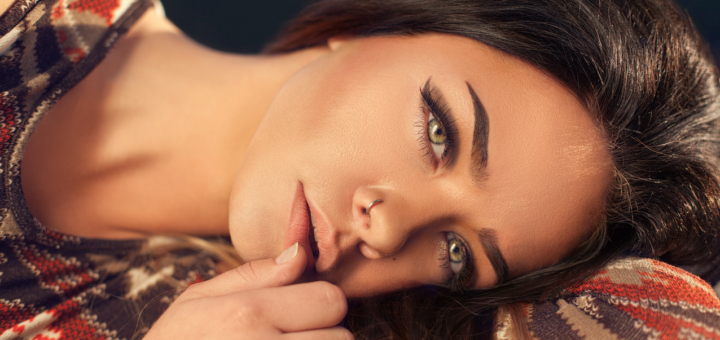


Round Eyes: Round eyes are the easiest to identify with the big, doll-like appearance. This eye type creates a naturally wide eyed look. It features curved upper and lower eye lids, with visible crease in the upper eyelid. To determine if you have round eyes, you should notice white on the upper and lower sides of your iris.
Disclaimer: This article is general information, not medical advice. Patch-test new skin and hair products, and see a dermatologist for persistent skin problems.
Skin product safety
Different Eye Colors
Here are the different eye colors and matching shade for them:
1. Green
2. Brown
3. Hazel
4. Blue
1. Green
2. Brown
3. Hazel
4. Blue
- Green – Green eyes come in a variety of shades, from light green to blue-greens, and deep green. Depending on the shade of your eyes, it can reflect the colors in your surroundings, such as your eye makeup colors and dress color, and may even be influenced by your mood. To find out what colors work best to enhance green eyes, look at the color wheel. Since red is opposite to green, all the red colors and shades complement green eyes, including bronze, maroon, burgundy, brown, etc.
- Brown – Brown eyes are one of the most common eye color. More than 55% of the world population has brown eyes. Brown eyes range from light brown, to almost-black chocolate brown, including amber, honey brown, nut brown, etc. Brown eye colors compliment most colors and makeup styles. Eyeliner in brown shades make brown eyes appear richer, whereas, vibrant shades of blue, purple, green, etc., can bring out the vibrance in brown eyes.
- Hazel – Hazel eye colors feature a mixture of green and brown tones. Due to the dual-toned nature of this eye color, different colors can bring out different shades in the eyes. By choosing your eyeliner color, as well as outfit colors, you can influence and enhance the color of your eyes. Hazel eyes pair well with eyeliner in colors including deep greens, as well as plum, brown, and grey shades.
- Blue – Blue eyes are very common, especially in European countries and America. They come in a lot of shades, from light ice blue, to bright blues and deep blues. In some people, blue eyes feature gold specks in the iris, while some are tinged with greens. Copper and gold shades make blue eyes appear vibrant, along with champagne shades, warm brown, terracotta, etc.
Different Eye Shapes
Here are the different eye shapes and eyeliner style for them:
1. Round Eyes
2. Almond Eyes
3. Upturned Eyes
4. Downturned Eyes
5. Hooded Eyes
6. Monolid Eyes
1. Round Eyes
2. Almond Eyes
3. Upturned Eyes
4. Downturned Eyes
5. Hooded Eyes
6. Monolid Eyes
Round Eyes: Round eyes are the easiest to identify with the big, doll-like appearance. This eye type creates a naturally wide eyed look. It features curved upper and lower eye lids, with visible crease in the upper eyelid. To determine if you have round eyes, you should notice white on the upper and lower sides of your iris.
- Eyeliner Style – For round eyes, you need your eyeliner to elongate the eyes and make them appear larger than they are, to create a balance. The best way to do this with eyeliner is to go with a cat-eye style. Since it comes with a thick line, it covers the eyelid and ends with a beautiful elongated wing. To create a dramatic look, smudge the upper and lower lashline with liner to create a sultry, smokey effect.
- Eyeliner Style – Almond eyes look good with almost every eye liner style. However, there is one style than makes almond eyes stand out even more. For this style, start with a thin line from the inner corner of the eyes and gradually thicken it until you reach the outer corner
- Eyeliner Style – Upturned eyes look stunning as they are. However, if you want to downplay the upturned corners of the eyes, you can use eyeliner to balance it out. Tightline the upper and lower lashline, and create a thicker liner on the outermost corner of the lower lid. Moreover, to enhance the upturned shape of your eyes, you can do a thin liner from the inner corner to the outer corner, and end with a wing.
- Eyeliner Style – Downturned eyes are known to look a little dull and droopy. To give a wide-awake appearance to your downturned eyes, you need to apply eyeliner in a way that makes them appear upturned. For this, draw an upward flick; it can be as thick or thin as you like. Concentrate the flick at the outer corner of the eyes, and also coat the lashes at the outer corner with the best non toxic mascara.
- Eyeliner Style – For hooded eyes, applying eyeliner can be a little tricky, and sometimes even a little messy. To make your hooded eyes stand out, go with a thick and bold wing liner. Draw out a thick wing outside the outer corner of your eyes, as this will give definition to the eyes. To make hooded eyes appear larger, tight line the upper lash line and apply a generous coating of mascara.
- Eyeliner Style – The goal of eyeliner on monolids is to give the effect of a false crease, and make the eyes appear larger than they are. Eyeliner can give an instant definition to monolid eyes. For best results, apply a thin liner from inner corner to outer corner. At the outer corners, smudge the liner a little bit, focused upward.
What the Research Says
The FDA doesn’t define “organic” or “natural” for cosmetics; a product can carry the USDA Organic seal only if its agricultural ingredients meet USDA standards.[3][1] Plant ingredients can still cause allergic reactions, and fragrance is a common cause of skin irritation.[4] Cosmetics can’t legally claim to treat or cure skin conditions; products that do are regulated as drugs.[5]Sources
- U.S. Food and Drug Administration. Cosmetics Labeling Claims. Accessed October 16, 2026.
- American Academy of Dermatology. How to wash your face. Accessed October 16, 2026.
- U.S. Food and Drug Administration. “Organic” Cosmetics. Accessed October 16, 2026.
- U.S. Food and Drug Administration. Fragrances in Cosmetics. Accessed October 16, 2026.
- U.S. Food and Drug Administration. Is It a Cosmetic, a Drug, or Both? (Or Is It Soap?). Accessed October 16, 2026.
Update History
- Oct 2026: Guide reviewed and updated; added Sources (FDA, AAD)
- Apr 2021: First published
Views: 0
